

The Commercial Vehicle Safety Alliance’s 2026 Brake Safety Week is underway and runs through August 29, with certified inspectors conducting commercial motor vehicle brake inspections across Canada, Mexico, and the United States. The weeklong enforcement initiative, which began August 23, places its emphasis on brake systems and components, with drums and rotors named as this year’s focus area. Vehicles found with brake-related out-of-service violations under the North American Standard Out-of-Service Criteria are restricted from operating until the identified violations have been corrected.
Highlights
- Brake Safety Week runs August 23–29, 2026, across Canada, Mexico, and the United States.
- Drum and rotor condition is the named focus area for this year’s inspections.
- Brake-related violations remain among the leading reasons vehicles are placed out of service during roadside inspections, according to CVSA.
- Inspection results will be compiled and released later this year.
What Are Inspectors Checking?
Throughout the week, CVSA-certified inspectors are performing comprehensive brake-system inspections. The Alliance says the checks cover:
- Missing, non-functioning, loose, contaminated, or cracked parts
- Non-manufactured holes — rust holes, or holes created by rubbing or friction — and broken springs in the spring brake housing
- Audible air leaks around brake components and lines
- Over-stroking service brakes
- Worn brake linings and pads
- Broken or cracked drums or rotors
- Inoperative tractor protection systems
- Other brake-related defects that could affect a vehicle’s safe operation
Any commercial motor vehicle cited for a brake-related out-of-service violation is held off the road until the defect is repaired.
Why the Focus on Drums and Rotors?
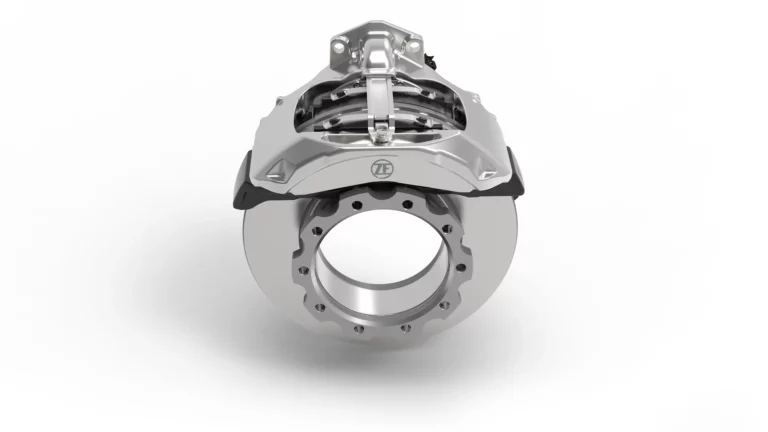
Inspectors are directing added attention to drum and rotor condition, the named emphasis for this year’s Brake Safety Week. CVSA describes drums and rotors as important components of a vehicle’s brake system and says problems with them may affect braking efficiency. The Alliance also notes a secondary hazard: broken pieces from a drum or rotor may dislodge during travel, damaging other vehicles or causing injuries and fatalities.
Enforcement Paired With Outreach
Alongside the enforcement activity, Brake Safety Week functions as an education campaign aimed at motor carriers, drivers, mechanics, and others responsible for commercial vehicle maintenance. CVSA frames the message around routine brake inspections and preventive maintenance, noting that properly functioning brakes help drivers maintain control of their vehicles, reduce stopping distances, and lower crash risk.
The campaign runs under CVSA’s Operation Airbrake Program. The Alliance states the goal of Brake Safety Week is to eliminate roadway crashes through a combination of roadside inspections and education for drivers, mechanics, motor carriers, and owner-operators.
When Will the Results Be Published?
CVSA will compile the inspection data gathered during the week and release the results later this year. Brake-related defects are consistently the most-cited category of out-of-service violations in commercial vehicle roadside enforcement, making the annual data set a reference point for fleets, suppliers, and maintenance operations across North America.
Subscribe to The BRAKE Report. Get free sample chapters.