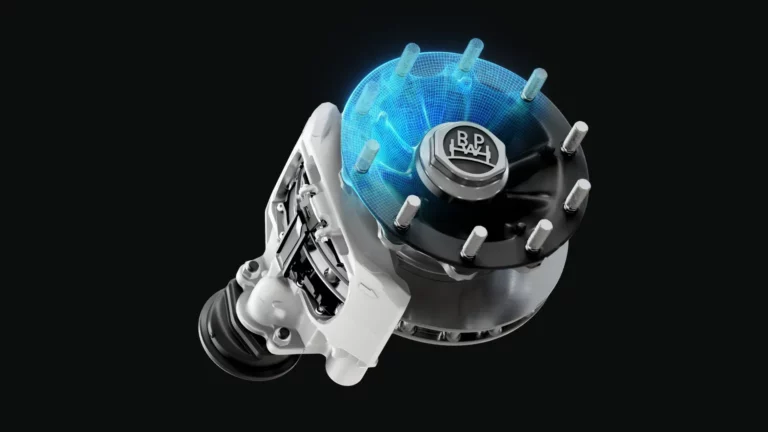

BPW will introduce three new functions for its iC Plus trailer running gear generation at IAA Transportation 2026, including a brake pad wear estimate that reports residual pad thickness without adding a sensor to the trailer. The company says all three functions are generated in software from data that existing electronic braking systems (EBS) and running gear components already produce, developed with BPW subsidiary idem telematics. BPW will show the system at Hall 26, Stand A30.
Highlights
- Three new iC Plus functions debut at IAA Transportation 2026: predictive brake anomaly detection, road condition monitoring, and brake pad wear estimation
- Brake pad wear estimation reports residual pad thickness and remaining distance in kilometers using algorithms rather than added sensors
- Predictive brake anomaly detection identifies thermal irregularities in real time
- Axle load detection monitors current axle weight without external scales, with what BPW describes as an accuracy of up to 10 percent
What Are the Three New iC Plus Functions?
All three run on the same principle: no new sensors, no new hardware on the trailer, with the intelligence residing in the data models rather than the components.
| Function | What It Monitors | Stated Benefit |
|---|---|---|
| Predictive brake anomaly detection | Thermal irregularities in the braking system, in real time | Protects components, freight and vehicles; prevents breakdowns; improves road safety |
| Road condition monitoring | Road quality, measured objectively for the first time according to BPW | Fleet managers can see the stresses a vehicle has absorbed on specific routes and adjust route planning and maintenance |
| Brake pad wear estimation | Brake wear and residual pad thickness, derived algorithmically | Remaining service life displayed as distance in kilometers |
How Does BPW Estimate Brake Pad Wear Without a Sensor?
The pad wear function is the clearest departure from conventional practice. Rather than reading a dedicated wear sensor at the wheel end, BPW says intelligent algorithms infer both wear state and residual pad thickness from data the trailer already generates, presenting the result as a remaining distance figure. The approach contrasts with sensor-based methods BPW has previously brought to market for trailer brake lining wear, and removes the retrofit and reliability burden that a physical sensor introduces.
Payload Monitoring Without External Scales
The new functions sit alongside the established iC Plus feature set, which BPW has been building out with algorithmic brake performance analysis since the current generation launched. Axle load detection continuously monitors the weight carried on the axles without external scales, at an accuracy the company puts at up to 10 percent. BPW says the result is fuller use of each trailer’s payload, fewer empty runs, and reduced exposure to overloading penalties.
Where the Data Lands
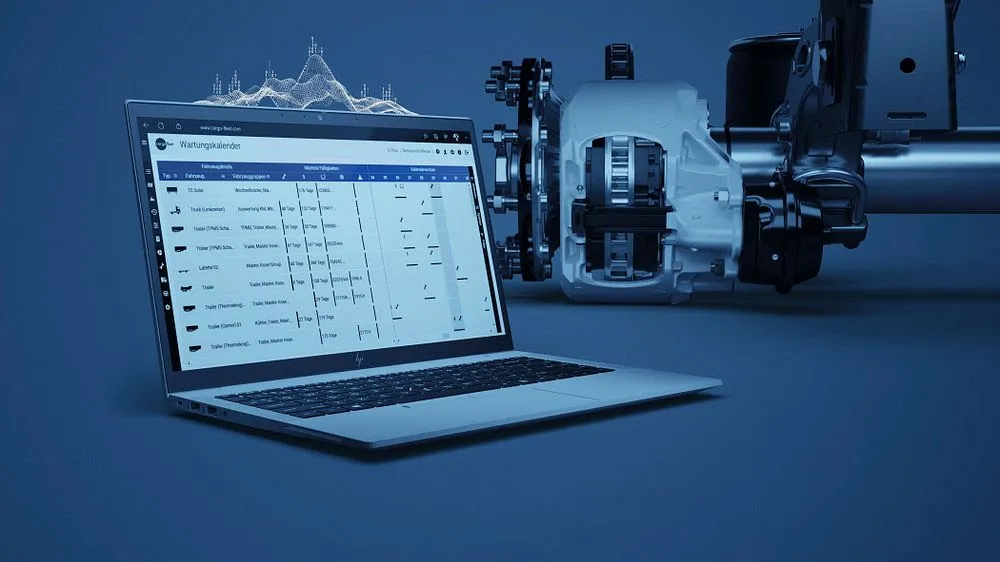
Output from all functions is presented graphically in the cargofleet 3 portal from idem telematics, which BPW says alerts users only when action is required. The portal also carries the digital maintenance calendar and connects to tire pressure monitoring and tire pressure refill systems, including BPW AirSave.
Retrofit Path and Show Offer
BPW is offering free application advice for its digital products and says iC Plus lowers total cost of ownership from the first kilometer of operation. At the show, the company is making the first year of cargofleet 3 use free of charge. The telematics gateway hardware can be retrofitted, which BPW says allows existing fleets to be integrated without replacing running gear. The company describes the IAA functions as a starting point, with the longer-term aim of developing the trailer into a digital assistant that flags component condition before it causes unplanned downtime.
Subscribe to The BRAKE Report. Get free sample chapters.