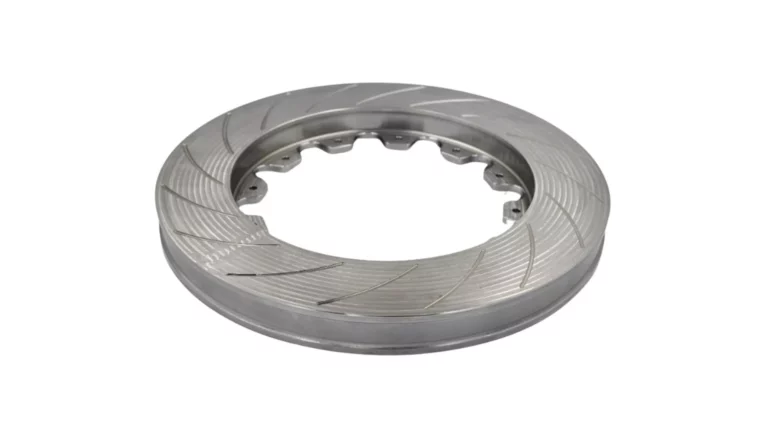
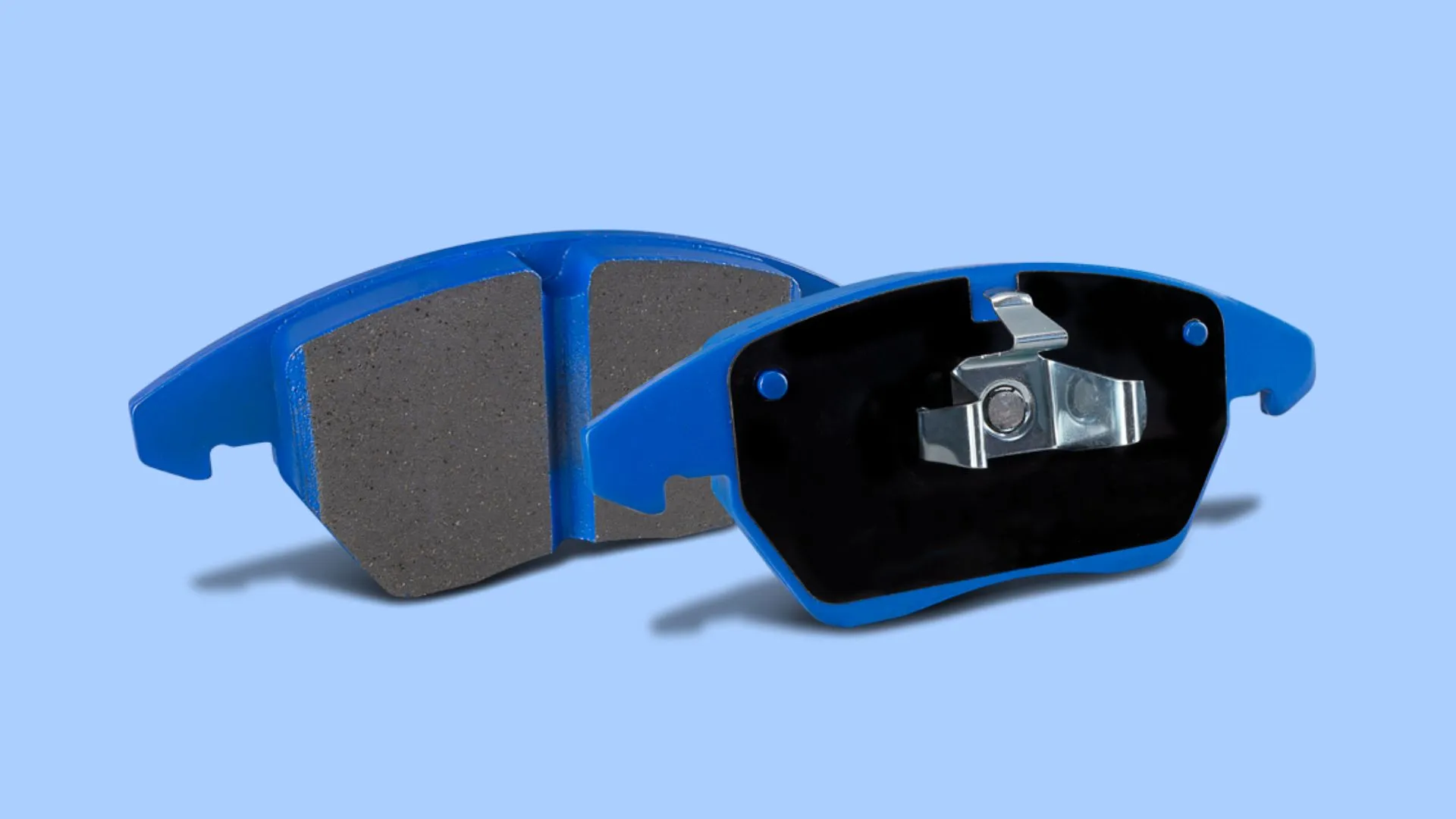

Every braking system produces dust as a byproduct of friction between cast-iron rotors and pad materials. However, the composition of brake pad compounds directly influences both the volume and characteristics of this dust, creating meaningful differences for vehicle owners and technicians.
Highlights
- Iron content in semi-metallic pads is the primary source of black brake dust, with spectro analysis confirming high Fe concentrations in wheel residue
- EBC’s Redstuff ceramic-enhanced compound reduces dust output by 30-50% compared to conventional semi-metallic pads
- Organic pad formulations using Kevlar or Twaron fibers produce less abrasive wear than steel-fiber semi-metallic compounds
- Dampers, edge chamfers, and center line slots contribute to noise reduction alongside dust management
The Science Behind Brake Dust Formation
Brake dust originates primarily from iron (Fe) present in semi-metallic brake pads. These pads consist of steel fibers compressed with resin binders and additional compounds. Approximately 95% of OEM brake pads use semi-metallic formulations due to manufacturing cost advantages.
EBC Brakes‘ testing demonstrates that when brake dust is collected, dried, and analyzed via spectro analysis, iron comprises a significant percentage of the material. This iron content derives from either the pad material itself or wear from the cast-iron rotor surface.
Why Iron Dust Adheres to Wheels
Iron dust from semi-metallic pads exhibits magnetic properties that cause natural attraction to alloy wheels. Three primary mechanisms drive this adhesion: chemical reactivity through thermite reactions between iron oxide and aluminum, magnetic attraction, and electrostatic forces including static and oil-based bonding.
Reducing iron content in pad compounds therefore produces two benefits. Dust volume decreases, and residual dust washes off wheels more easily during cleaning.
Ceramic Materials in Brake Pad Compounds
Ceramic components in brake pads typically function as granules added in small percentages. These materials enhance pad longevity and contribute to noise reduction. EBC states its automotive brake products have never contained ceramic fibers and are formulated as zero-copper materials.
Ceramic pads fall within the broader category of organic friction materials. EBC’s Redstuff, Yellowstuff, and Bluestuff compounds use man-made fibers such as Kevlar or Twaron for matrix binding, enhanced with ceramic granules and proprietary additives.
Product Options for Dust Reduction
EBC Redstuff Copper Free Ceramic Granule Enhanced Brake Pads target premium and performance street driving applications with a 30-50% dust reduction compared to semi-metallic alternatives.
EBC Bluestuff Copper Free Non-Metallic Brake Pads deliver similar low-dust characteristics while providing a higher performance threshold suited for spirited street driving and track day use.
Noise Reduction Engineering
Pad selection should consider multiple performance factors beyond dust output. Counterweights attached to pad backplates reduce vibration and brake noise. Pads without damper weights typically cost 20-30% less than those including these components.
Additional noise mitigation features include shims, edge chamfers, and center line slots. These engineering elements work alongside material formulation to minimize brake squeal and vibration during operation.
EBC manufactures its brake pads at its UK facility, where the company states its chemists work on formulations that balance reduced dust, low noise, and high performance without using copper, antimony sulfide derivatives, lead, cadmium, or mercury.
For additional product information, visit EBC Brakes.
Subscribe to The BRAKE Report. Get free sample chapters.