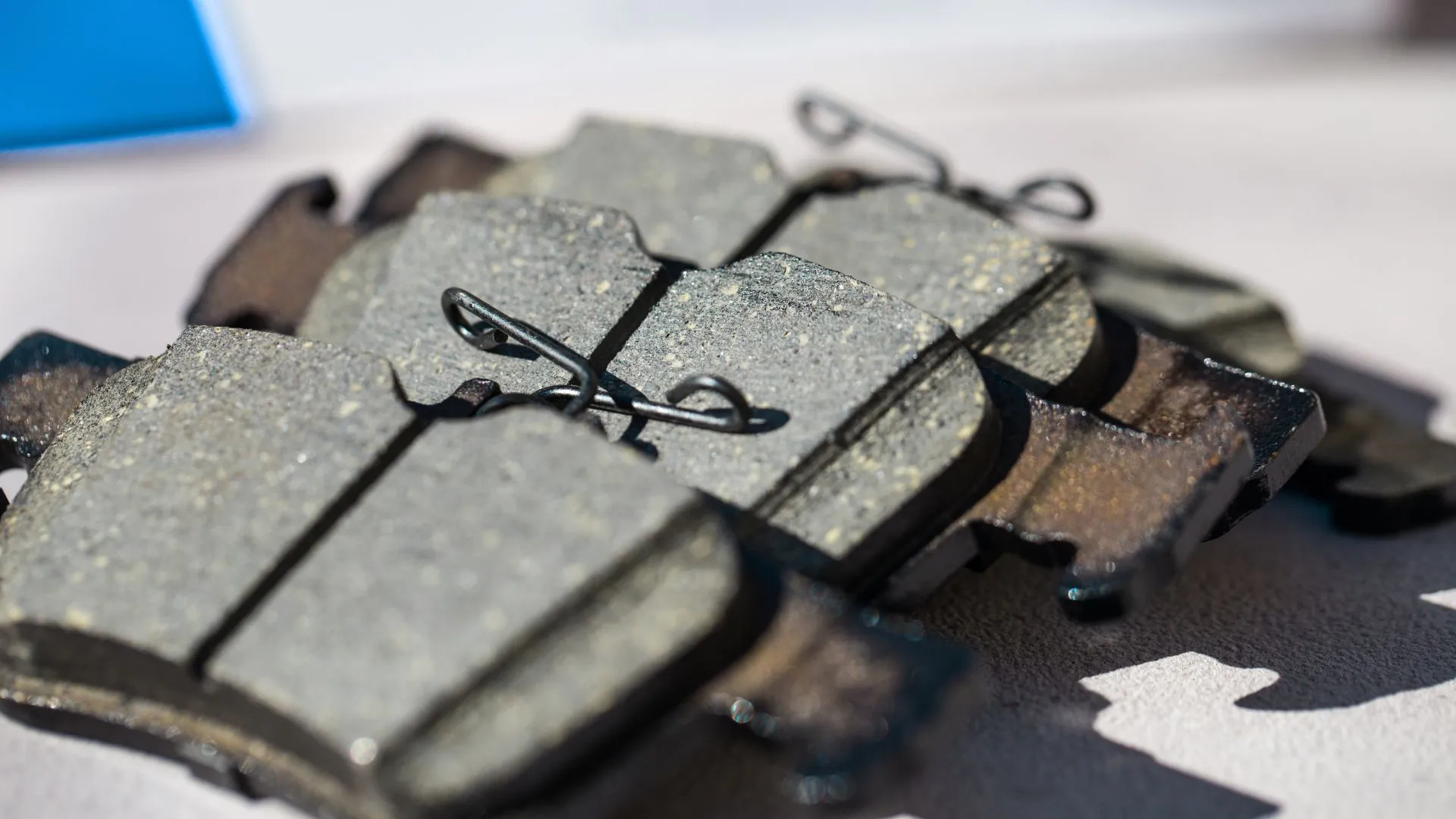
Algeria has returned a confiscated brake pad factory at Réghaïa, east of Algiers, to production with a stated annual capacity of 1.5 million pads. The plant is operated by Société de maintenance de l’Est (SME), a subsidiary of the state-owned cement group GICA, and was brought back online earlier this month at a ceremony led by Prime Minister Sifi Ghrieb. The site is the former Cima Motors facility owned by businessman Mahieddine Tahkout, who is serving a prison sentence following a corruption conviction, TSA Algérie reported.
Highlights
- Stated capacity of 1,500 pad sets per day per shift, or 1.5 million pads annually
- 125 light-vehicle pad models plus 20 heavy-truck models at launch
- Roughly $18.8 million (2.5 billion Algerian dinars) invested in the recovered site
- 90% of the plant’s machinery was non-operational when the state took control
From Seized Asset to State-Run Production
The Réghaïa plant is part of an Algerian government program to return assets seized in corruption cases to industrial use. SME took formal control of the site on May 17, 2026, and had the full production line running again by July 2, 2026, according to deputy director general Debbache Abdelaziz Malek.
The condition of the asset at handover was poor. “When the site was recovered, 90% of the machines were not operational. Today, the entire production line is back in service,” Debbache told TSA Algérie in remarks translated from French. Ghrieb, speaking at the restart and signaling that additional recovered units would follow, said the government was “not resting on our laurels; we are working quietly.”
What the Réghaïa Line Produces
The facility covers about 46,300 square feet (4,300 square meters) across three production levels of roughly 15,400 square feet (1,430 square meters) each. Output is organized around two vehicle categories.
| Segment | Pad models | Brands cited |
|---|---|---|
| Light vehicles | 125 | Fiat, Opel, BYD, Audi, BMW |
| Heavy trucks | 20 | Mercedes, MAN |
SME says the plant runs on German process technology with quality checks from raw material preparation through packaging, and incorporates an energy-saving system in the manufacturing sequence. The company reports roughly 60 direct production-line employees, within a total of about 150 direct and indirect jobs.
What Still Has to Happen Before Volume Production
Restarting the equipment is not the same as qualifying the product. Debbache said the remaining steps are securing raw material supply, building inventory, and obtaining both product homologation and certification of the manufacturing process — the gating items for any friction supplier seeking original-equipment business.
Raw materials drew specific attention from the prime minister. “We will be demanding on the quality of raw materials, the manufacturing process and its application. That will be our priority,” Ghrieb said, in remarks translated from French. The formulation supply chain is the practical constraint on how much of the plant’s nameplate capacity converts into saleable product, and neither source details where those materials will come from.
Stellantis and Ide-net Agreements
Two subcontracting agreements were signed alongside the restart by SME chief executive Samir Ben Maïza — one with Raoui Beji, head of Fiat El Djazaïr, the Stellantis operation in Algeria, and a second with Ali Maameri of Ide-net Algérie. Both are aimed at industrial subcontracting, raising local content, and distributing the domestically produced parts.
Can the Plant Displace Imports?
Initial output is directed at Algerian vehicle assembly plants and the domestic aftermarket, with a stated target of covering 30% of national demand. Debbache put the near-term range at 30% to 40%, with exports considered only once domestic demand is met. Neither source quantifies current Algerian brake pad import volumes or unit production cost, so the substitution case rests on the company’s own projections rather than published market data.
Elsewhere in friction manufacturing, capacity announcements have concentrated in established production regions — Friction One’s Juarez facility and Frasle Mobility’s Sorocaba site among them.
Subscribe to The BRAKE Report. Get free sample chapters.