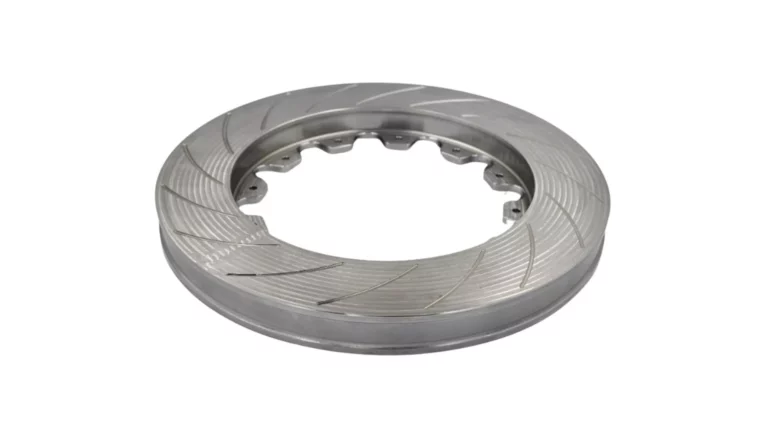
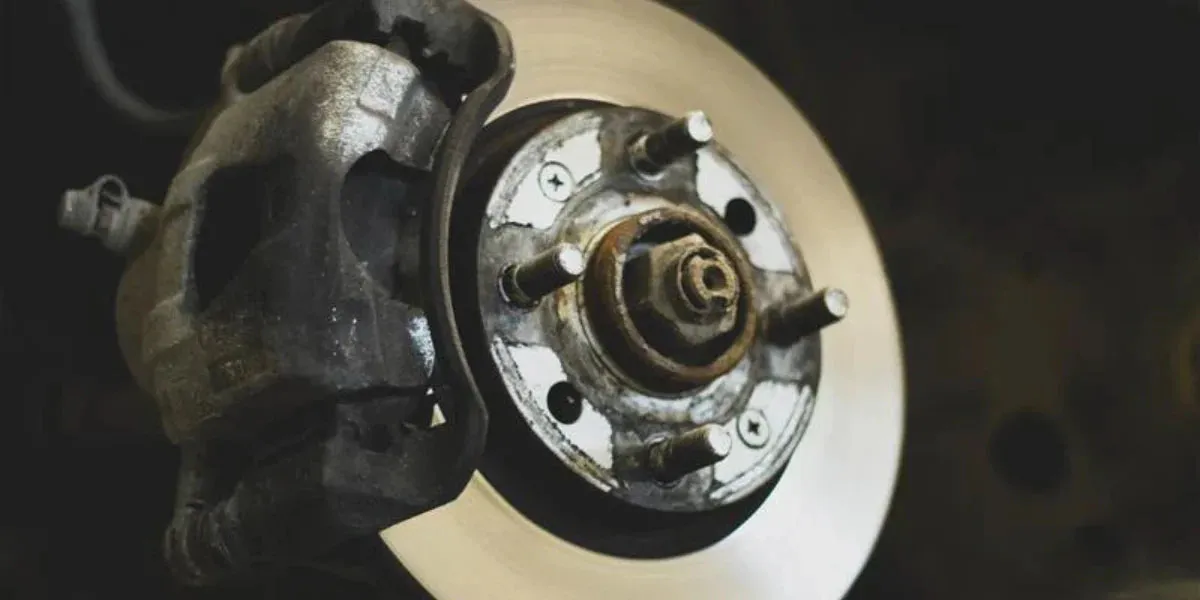

Arnold Clark Autoparts is urging drivers to act on common brake wear warning signs — among them squealing or grinding noises, a vibrating brake pedal, reduced responsiveness, and pulling to one side when slowing down. Arnold Clark Autoparts says a dashboard warning light may also indicate a fault within the braking system. Brakes rank among the most critical safety components on any vehicle, the supplier notes, yet they are frequently overlooked until a loss of performance becomes noticeable — by which point pads and rotors have already worn enough to extend stopping distances.
Highlights
- Audible and tactile indicators. Squealing or grinding under braking, a vibrating pedal, reduced responsiveness, and pulling to one side when slowing are the symptoms the supplier identifies as most common.
- Dashboard alerts. A warning light may point to a fault within the braking system.
- Pedal feel. A soft or spongy pedal can indicate air or moisture in the system; a longer stopping distance suggests worn components requiring immediate attention.
- Wear accelerators. Urban driving, frequent braking and heavy loads all shorten brake pad life.
Why Worn Brakes Go Unnoticed
Everyday driving wears pads and rotors gradually rather than abruptly, which is what makes the degradation easy to miss. Effectiveness declines and stopping distances lengthen incrementally, and drivers adapt to the change without registering it.
Squealing or grinding noises when braking are the most recognizable of the early indicators. A vibrating brake pedal sits in the same category, and Arnold Clark Autoparts groups it with reduced responsiveness and pulling to one side as symptoms that warrant inspection rather than observation.
Craig McCracken, Group Factor Manager at Arnold Clark Autoparts, commented: “The importance of brakes cannot be understated. Many of the early warning signs, such as unusual noises or reduced performance, can be easy to ignore, but doing so compromises safety and leads to more expensive repairs in the long run.
“Identifying issues early and replacing worn components can help ensure vehicles remain safe and reliable on the road.”
What Does a Soft Brake Pedal Mean?
Pedal feel is a diagnostic signal in its own right. A soft or spongy pedal may indicate air or moisture in the braking system, according to the supplier. A stopping distance that has grown longer points to worn components that require immediate attention rather than monitoring.
How Driving Conditions Accelerate Pad Wear
Brake pads typically need replacing more frequently than other components in the system, with service life depending on driving habits and conditions. Urban driving, frequent braking and carrying heavy loads all accelerate wear, which shortens the interval between inspections for vehicles used that way.
Inspection Before Long Trips
Arnold Clark Autoparts advises having brakes inspected regularly, and specifically before a long trip or after any noticeable change in performance. Routine checks are intended to catch worn pads, damaged rotors and low brake fluid levels before the underlying condition produces the symptoms above. The company stocks pads, rotors and fluids for a range of makes and models.
Subscribe to The BRAKE Report. Get free sample chapters.