

Originally reported by Motorindia at Motor India Online (February 6, 2026). Read the full story →
ZF Aftermarket is making a calculated play for India’s passenger car brake market. The German supplier has launched its TRW DTEC line of ceramic brake pads in the country, positioning the product around a dual pitch of reduced maintenance burden and environmental responsibility — two themes gaining traction with workshops and fleet operators across the region.
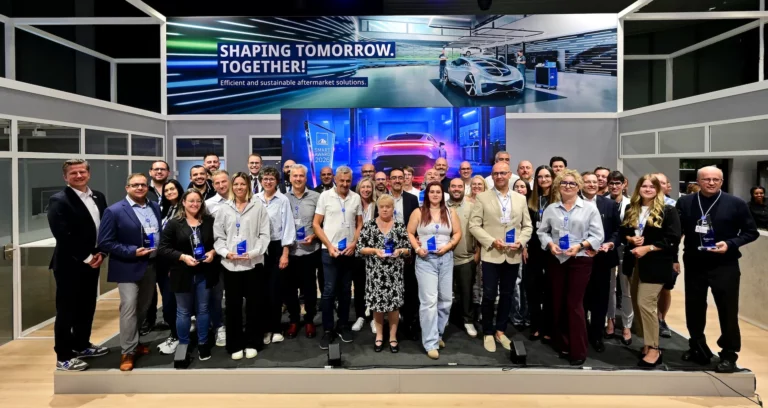
The DTEC formulation uses a ceramic-based friction compound engineered to cut brake dust accumulation on wheels substantially compared to conventional semi-metallic alternatives. For the aftermarket channel, that translates into a practical selling point: vehicles stay cleaner between services, reducing water consumption and chemical cleaner usage during routine maintenance. ZF unveiled the product at ACMA Automechanika New Delhi, held February 5–7 at Yashobhoomi.
Why the Indian Aftermarket Matters Now
India’s independent workshop network is enormous and growing more sophisticated. As vehicle parc complexity increases — particularly with the influx of European and Korean platforms specifying ceramic friction materials as OE fitment — aftermarket suppliers need to offer products that match factory-level expectations.
ZF’s move acknowledges this shift. The company isn’t just dropping a product into the market; it’s packaging the DTEC launch within what Vijay Khorgade, Head of Aftermarket Business for Passenger Car in the IMEA region, described as a comprehensive support ecosystem encompassing technical training, service support, and reliable parts supply. That workshop enablement strategy could prove as important as the pad compound itself in a market where brand loyalty often follows the quality of supplier relationships.
How effectively can ZF’s workshop training programs scale across India’s fragmented independent service landscape?
Ceramic Technology Gains Ground
The broader industry trend here is unmistakable. Ceramic friction formulations have steadily migrated from premium European applications into mainstream global fitments. Their advantages — quieter operation, reduced dust generation, and lower noise-vibration-harshness characteristics — align well with tightening consumer expectations and evolving environmental awareness.
For brake distributors and jobbers operating in India’s aftermarket, the DTEC introduction signals that ceramic pad technology is no longer a niche upsell. It’s becoming a baseline expectation for quality-conscious workshops serving newer vehicle platforms. Distributors who position themselves early with reliable ceramic product lines stand to capture margin as the segment expands.
Sustainability as a Competitive Lever
ZF is leaning into sustainability messaging around the DTEC launch, and the framing is worth noting. The reduced cleaning frequency argument connects brake pad material science directly to resource conservation — a link that resonates with both regulatory direction and corporate fleet procurement criteria across the IMEA region.
This positions TRW DTEC not just as a performance product but as a compliance and sustainability asset for workshop operators building their environmental credentials. As fleet customers increasingly evaluate suppliers against green metrics, friction material choices become part of a larger procurement conversation.
The Bottom Line
ZF’s TRW DTEC launch in India represents more than a product introduction — it’s a market positioning statement. By coupling ceramic pad technology with workshop support infrastructure and sustainability credentials, the company is building a multi-layered value proposition for the Indian aftermarket. Distributors and workshop operators should watch how quickly ceramic formulations move from premium option to standard expectation in the region’s rapidly maturing brake service market.
Subscribe to The BRAKE Report. Get free sample chapters.