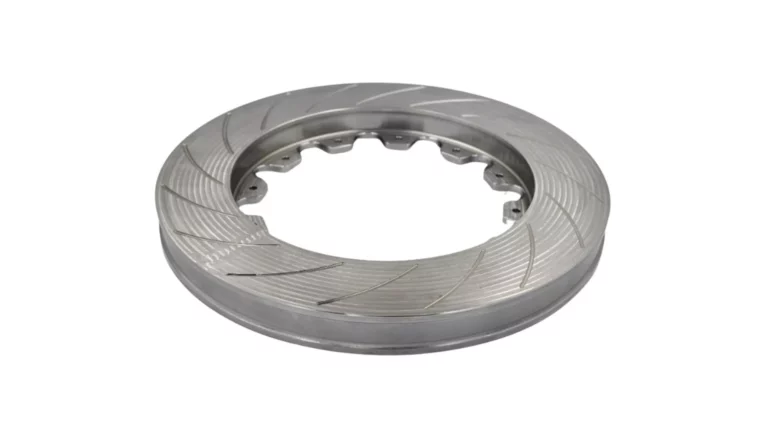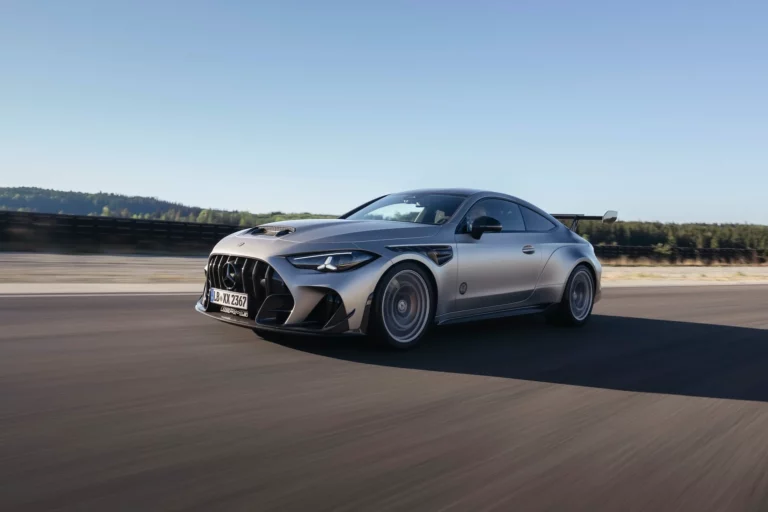
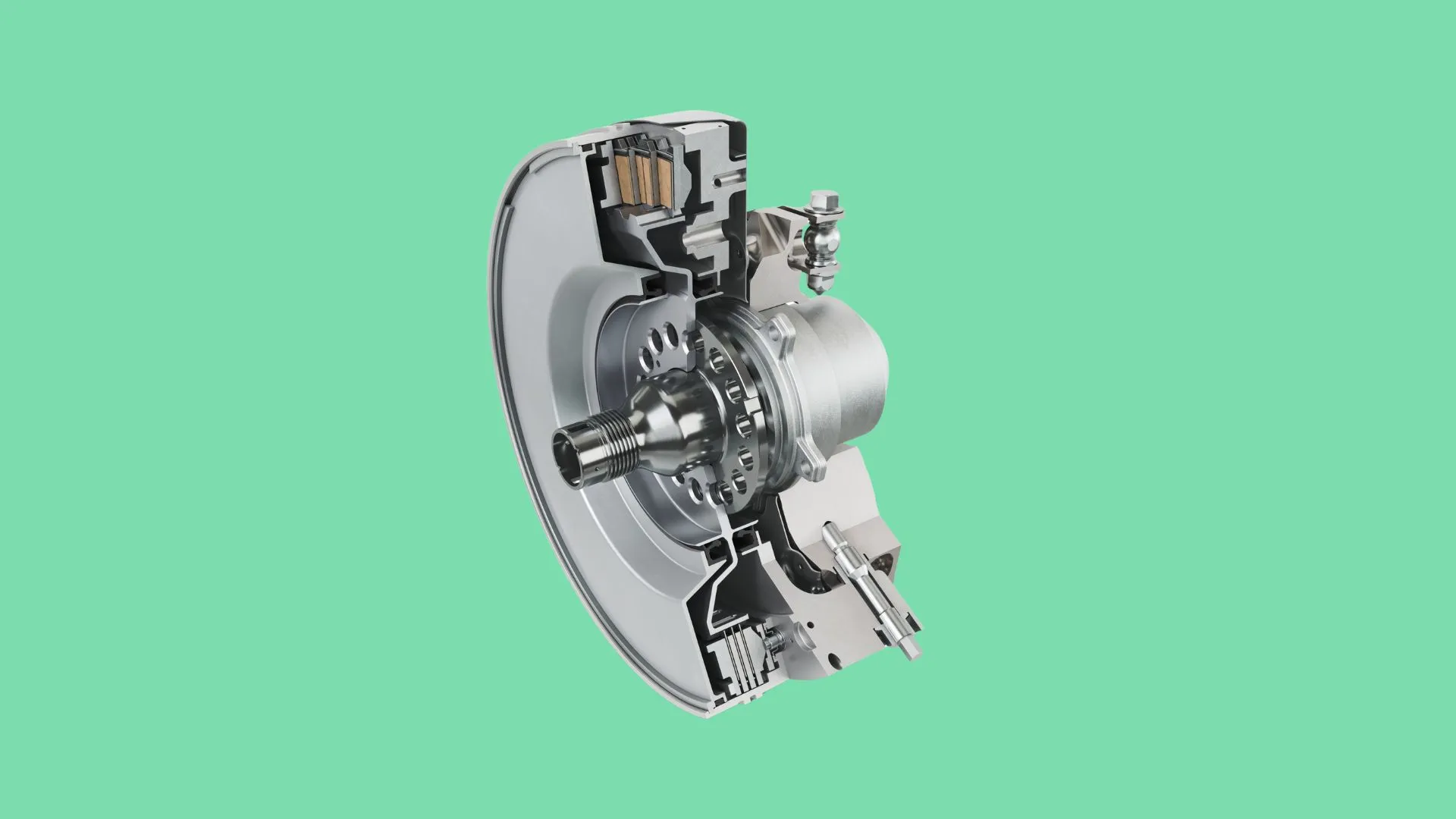

Schaeffler will run a wet lamella brake in its DTM Innovation Taxi for the first time at the Nürburgring race weekend, held August 14 to 16, 2026. The wet lamella brake is a pre-development project aimed at series production, and the company says it is emission-free with respect to brake dust, operates quietly, and is designed for maintenance-free service. The Innovation Taxi, an Audi R8 LMS GT2, has appeared at DTM race weekends since 2023 as a rolling testbed for technologies bound for production vehicles.
Highlights
- The wet lamella brake, also referred to as a wet brake, is integrated into the rear wheels of the Innovation Taxi because of concept and packaging constraints.
- Testing focuses on functionality and service life behavior under extreme conditions, with particular attention to torque and friction stability.
- Thermal management uses hydraulic pressure and suction pumps plus multiple heat exchangers to dissipate heat from the enclosed rear-wheel brake.
- The development target is a single integrated unit for electric axles combining brake, actuator, and oil/cooling circuit.
A Brake Designed to Produce No Dust
Enclosing the friction surfaces changes the environment the brake operates in. According to Schaeffler, external influences such as moisture no longer lead to corrosion, which produces stable friction conditions and consistent performance. That matters for a component that spends much of its service life idle in an electrified vehicle.
The company positions the design against three conventional pain points at once: particulate emissions, braking noise, and scheduled maintenance intervals. Schaeffler says the unit addresses all three, though the Nürburgring run is a durability and functionality test rather than a validation exercise.
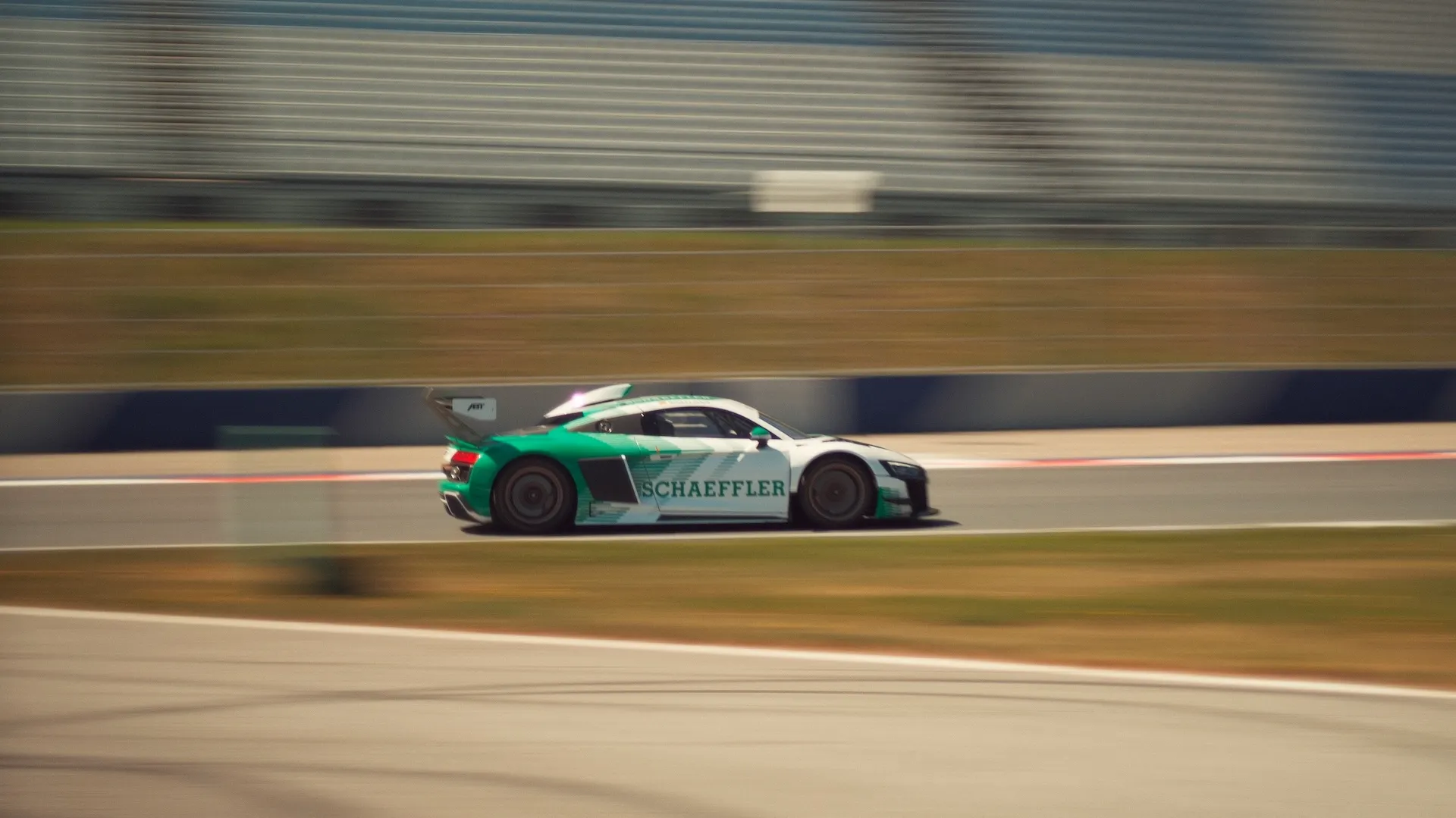
How Does the Enclosed Brake Shed Heat?
Sealing a brake inside the wheel creates a thermal problem. Schaeffler developed a dedicated thermal management system for the Innovation Taxi built around hydraulic pressure and suction pumps and multiple heat exchangers.
“The system in the Innovation Taxi is a special motorsport solution. Under highly dynamic operating conditions, very high cooling performance per brake is required,” said Andreas Wassmer, Director Concept Car Development at Schaeffler. “The data and experience derived from this form the basis for designing an efficient lubrication strategy for future e-axles with an integrated braking system.”
From the Racetrack to Series Production
The stated development goal is a highly integrated system unit for electric axles that packages the brake, the actuator, and the oil and cooling circuit together. Schaeffler says this could eventually replace conventional steel or drum brakes in suitable applications.
A first concept vehicle carrying an integrated lamella brake was shown to selected customers at the Schaeffler Automotive Symposium in Bühl last June. The Nürburgring appearance marks the first public showing of the prototype.
“DTM is an ideal environment for us to test new technologies under real conditions,” said Matthias Zink, CEO Powertrain & Chassis at Schaeffler. “With the wet lamella brake, we are demonstrating a solution that is being used in motorsport in this form for the first time and also provides important input for series development.”
Why Wet Brakes Suit Battery-Electric Vehicles
In battery-electric vehicles, most braking events are handled by the recuperating electric motor. A mechanical system is still required for the remainder, particularly at critical braking points — but it engages infrequently, which is precisely the duty cycle that degrades open friction surfaces.
Schaeffler lists several claimed advantages beyond dust elimination: emission-free operation to support future Euro 7 requirements, reduced unsprung mass at the wheel with an associated improvement in ride comfort, and greater freedom in vehicle design. The company also frames the design as well suited to architectures where brake-by-wire systems play a central role, and describes it as an enabler for highly integrated braking solutions in autonomous vehicle concepts.
Subscribe to The BRAKE Report. Get free sample chapters.