
Originally reported by Porsche Newsroom at Porsche.com (February 5, 2026). Read the full story →
Twenty-five years after debuting ceramic composite brake rotors, Porsche is reinforcing the technology’s central role across its vehicle lineup — a signal to the broader braking industry that advanced friction materials continue to command premium positioning even as competing surface-coating technologies gain ground.
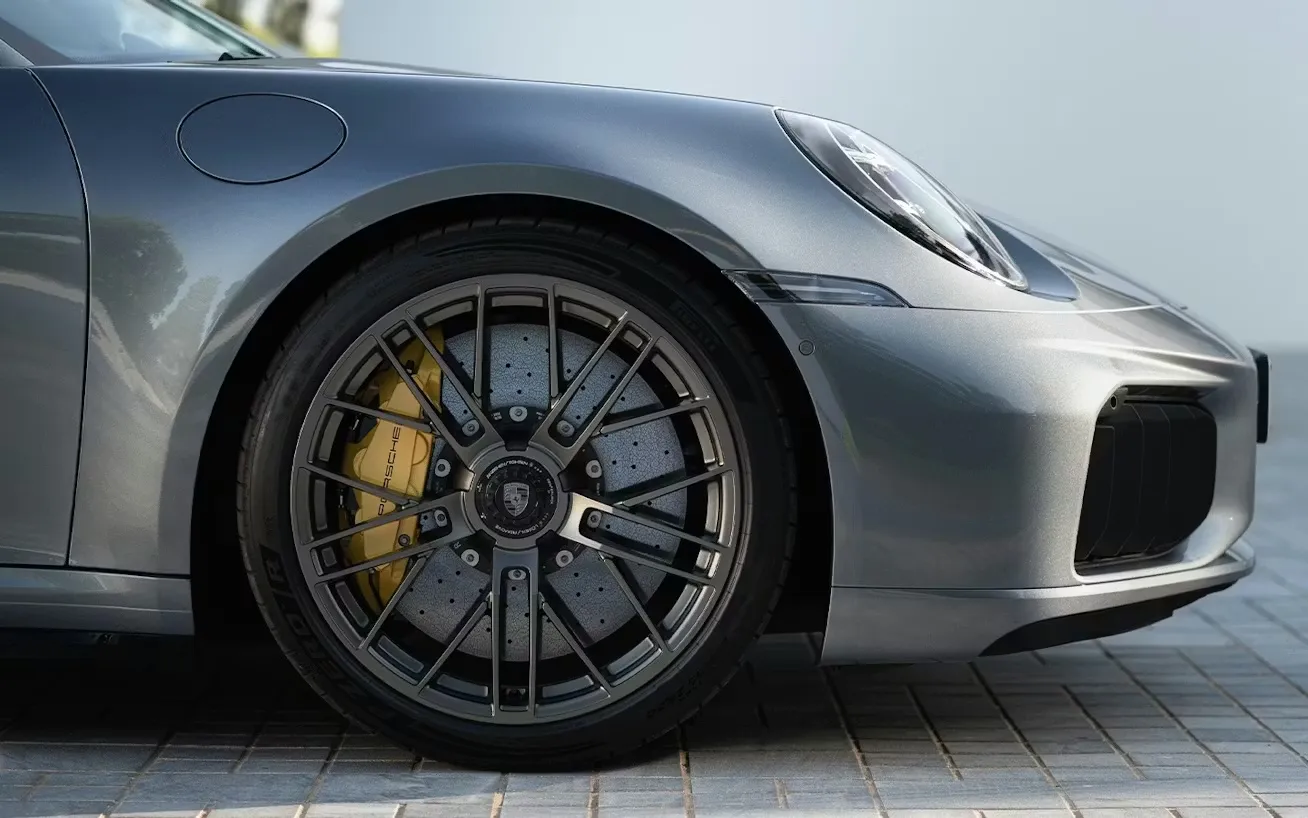
The German automaker recently published a detailed technical overview of its Porsche Ceramic Composite Brake (PCCB) system, underscoring the platform’s ongoing evolution and expanding availability. For brake suppliers, friction material developers, and aftermarket professionals, the move highlights a widening market for high-performance ceramic braking solutions and the competitive pressures reshaping the premium brake segment.
A Quarter-Century of Ceramic Investment
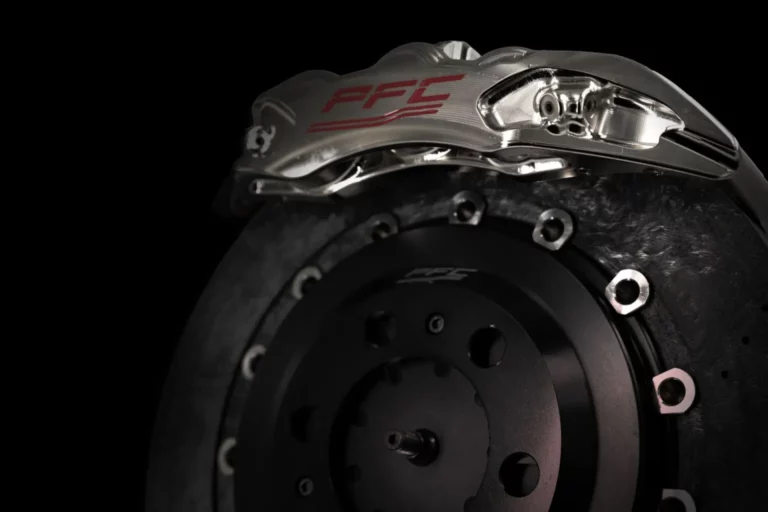
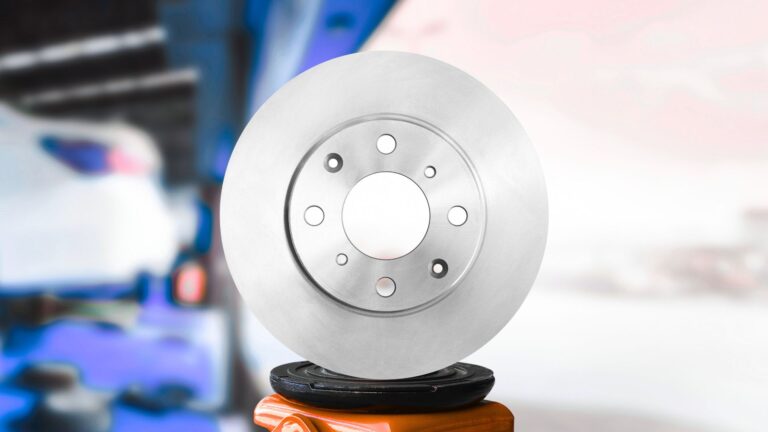
Porsche first brought PCCB to market in 2000 on the 911 Turbo (996 generation), making it among the earliest automakers to offer ceramic fibre-reinforced composite rotors in a production vehicle. The manufacturing process involves forming the composite structure under high pressure with integrated aluminium particles, followed by extended heat treatment cycles that produce rotors roughly half the weight of equivalent cast-iron units.
That weight differential translates to approximately 20 kg of unsprung mass reduction per vehicle — a figure that resonates well beyond straight-line braking. Lighter rotors allow suspension systems to respond more rapidly to road surface changes, improving ride quality and steering precision. For engineers focused on vehicle dynamics, the cascading benefits of reduced unsprung mass remain one of ceramic technology’s strongest value propositions.
Porsche also claims credit for pioneering curved internal cooling channels within ceramic composite rotors, a design feature that improves airflow and thermal management during sustained high-load braking.
Three-Tier Strategy Creates Market Layers
What’s particularly noteworthy for the braking supply chain is how Porsche now structures its brake offerings in a clear three-tier hierarchy. Conventional cast-iron rotors serve as the baseline. The Porsche Surface Coated Brake (PSCB) system, introduced in 2017 on the Cayenne Turbo, occupies the middle tier with tungsten carbide-coated surfaces that the automaker describes as roughly ten times harder than standard cast iron. At the top sits PCCB.
This tiered approach creates distinct market opportunities for friction material suppliers and coating specialists alike. The PSCB system, in particular, represents a growing category — surface-coated rotors that approach ceramic-level thermal stability at lower price points while virtually eliminating brake dust and corrosion. How aftermarket suppliers position their own coated and ceramic offerings against these OE benchmarks will likely shape competitive dynamics in the premium replacement brake market.
Are we approaching a tipping point where surface-coated rotor technology narrows the performance gap enough to challenge ceramic’s hold on the ultra-premium segment?
Expanding Fitment Signals Growing Demand
PCCB is now standard equipment on both the 911 Turbo S and the Taycan Turbo S, with optional availability spanning the 911 range, select Cayenne and Macan models, and most Panamera variants. The inclusion of PCCB on the all-electric Taycan is significant — heavier EVs with strong regenerative braking capabilities demand friction systems that can deliver consistent pedal feel and reliable high-speed deceleration when called upon, even after extended periods of minimal mechanical brake use.
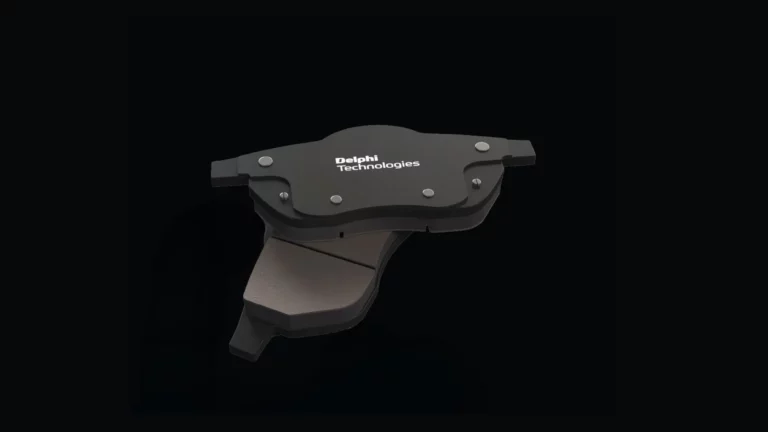
For brake pad manufacturers, the Taycan application highlights an evolving challenge: developing friction compounds that perform reliably across the wide temperature ranges and intermittent usage patterns unique to electrified platforms. Porsche notes that PCCB pads are specifically engineered for consistent performance across broad temperature windows and resist moisture absorption, maintaining response even in wet conditions.
The Bottom Line
Porsche’s continued investment in ceramic composite braking — and its strategic layering of conventional, coated, and ceramic systems — reflects broader industry momentum toward advanced friction materials and surface treatments. For brake industry professionals, the expanding OE fitment of ceramic and coated rotor technologies points to growing aftermarket opportunity as these vehicles age into the independent service channel. The question now is whether the supply chain is ready to support them at scale.
Subscribe to The BRAKE Report. Get free sample chapters.