
Originally reported by CarScoops on December 4, 2025. Read the full story here.
Could we be witnessing the final days of the traditional rear hydraulic brake caliper? If Mercedes-Benz’s subsidiary Yasa has its way, the answer is a definitive “yes.”
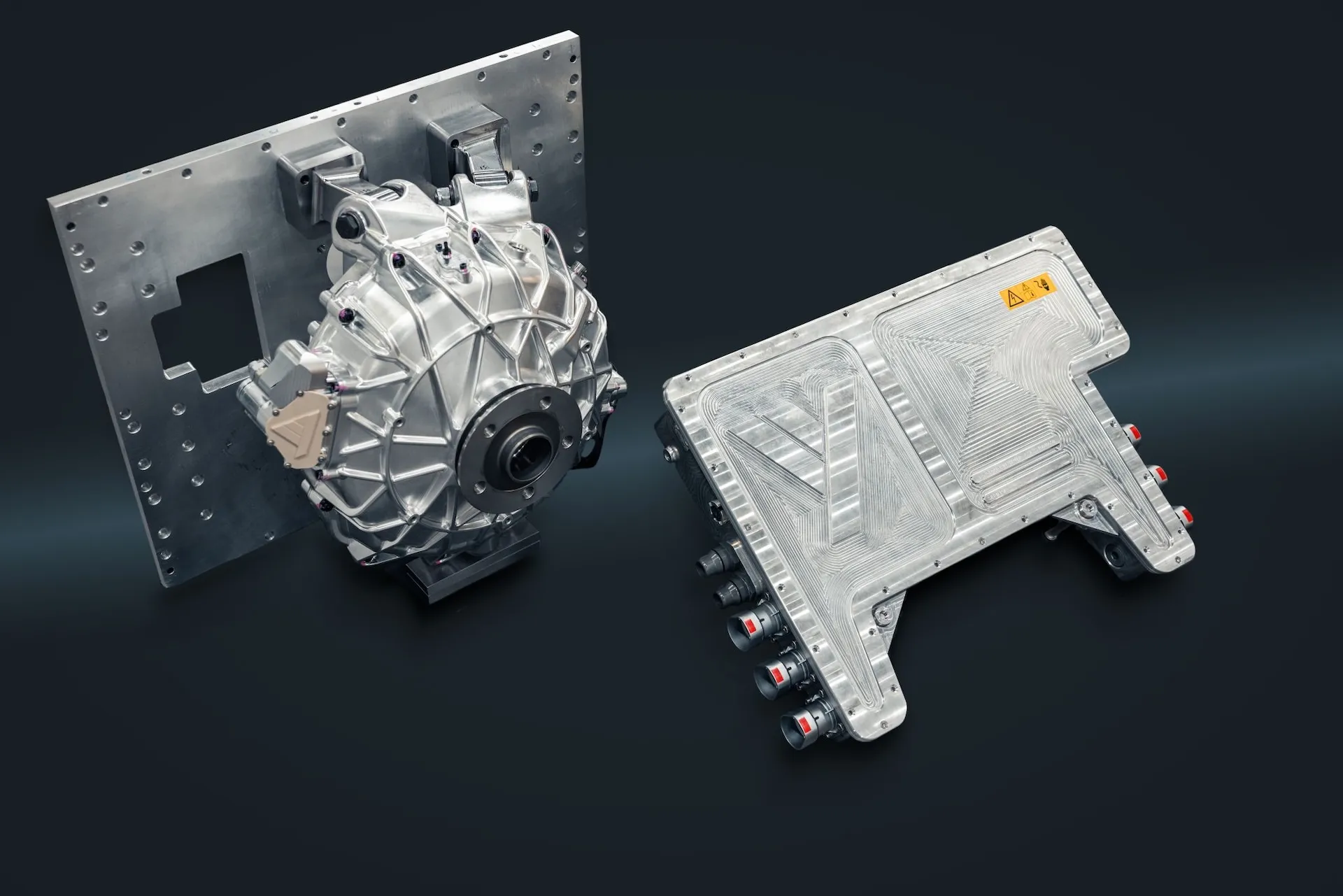
In a move that could redefine chassis engineering, Yasa has unveiled a record-breaking axial flux electric motor designed to sit inside the wheel hub. But the real headline for the braking industry isn’t just the horsepower—it’s the regenerative capability. The company claims this new unit is so efficient at harvesting energy that it could render rear friction brakes obsolete, signaling a massive shift in how we think about stopping power and unsprung weight.
The Power Density Breakthrough
Yasa’s new motor is a marvel of packaging. Weighing just 12.7 kg (28 lbs), it delivers a staggering peak output of up to 1,006 hp (750 kW). For context, that sets an unofficial power density record of 59 kW per kilogram.
While in-wheel motors have historically struggled with weight penalties affecting ride quality, Yasa appears to have cracked the code. By pairing this featherweight motor with a compact 15 kg dual inverter, Mercedes is positioning this tech for high-performance applications where every gram counts.
Rethinking Deceleration
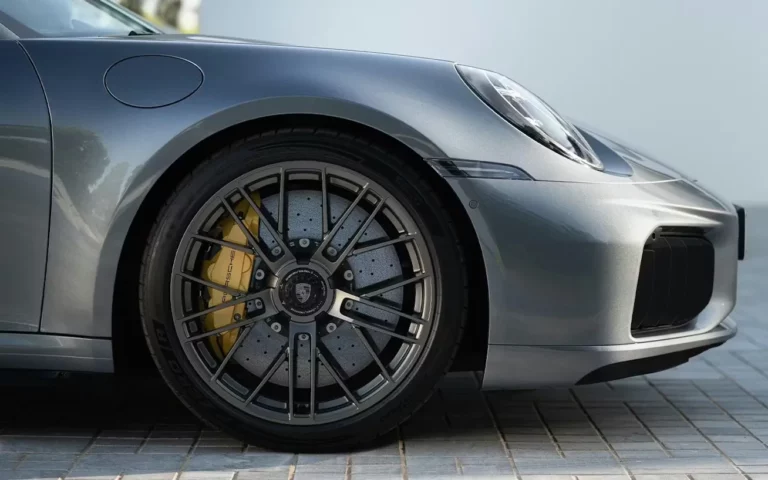
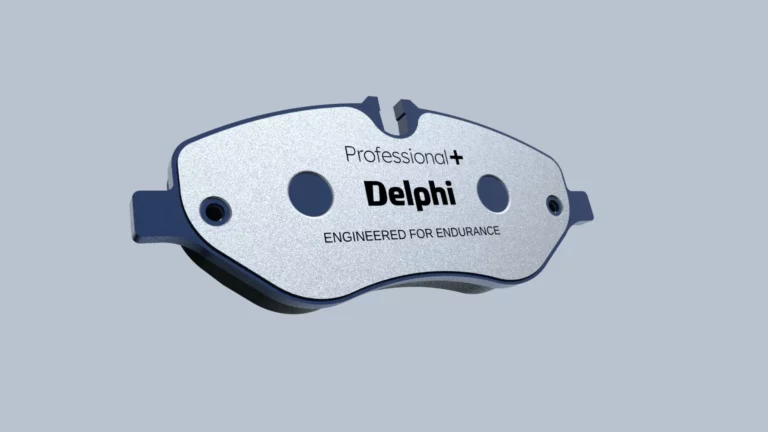
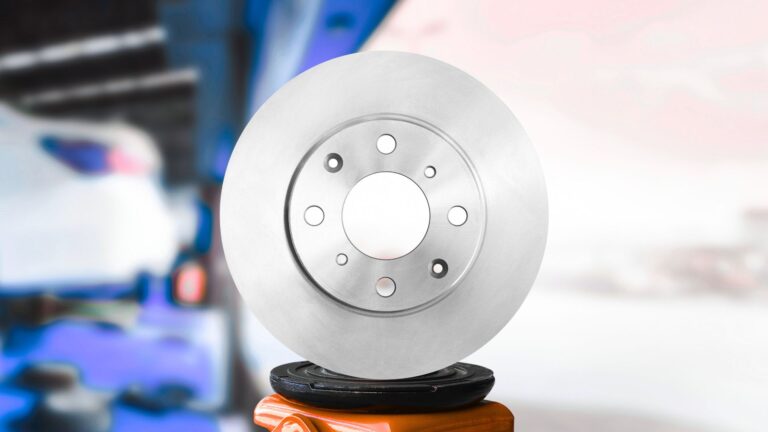
The implications for braking systems are profound. Simon Odling, Yasa’s Chief of New Technology, suggests that the motor’s “exceptional regenerative capability” allows for the dramatic downsizing of rear braking components. In certain vehicle architectures, it could allow OEMs to remove them entirely.
“By capturing a much greater proportion of regenerative braking energy, this technology can also deliver a significant increase in EV range,” Odling noted.
This aligns with a broader industry trend where friction brakes are taking a backseat to software-defined deceleration. We’ve already seen manufacturers like Volkswagen revert to drum brakes on the ID.4 to handle the reduced thermal loads of EVs. Yasa’s approach takes that logic to its extreme: if the motor can handle 100% of the braking duty in 99% of driving scenarios, why carry the dead weight of a hydraulic system?
Industry Impact & Strategic Insights
- Weight Reduction: Removing rear calipers, discs, and driveshafts could save up to 500 kg (1,100 lbs) on ground-up EV platforms. This is a game-changer for battery efficiency and payload capacity.
- Regulatory Compliance: With Euro 7 regulations targeting brake dust emissions, eliminating rear friction brakes solves a major compliance headache for OEMs.
- Fleet Maintenance: For commercial fleet operators, this technology could virtually eliminate rear brake maintenance, drastically lowering Total Cost of Ownership (TCO).
However, questions remain regarding safety redundancy. If the electrical system fails, how does the vehicle ensure a safe stop without a mechanical backup on the rear axle?
How comfortable would you be driving a vehicle with no physical brakes on the rear wheels?
Bottom Line
Mercedes and Yasa are pushing the envelope of EV architecture. While the horsepower figures grab headlines, the potential elimination of rear friction brakes represents a fundamental disruption in safety systems, promising lighter, cleaner, and more efficient vehicles.
Subscribe to The BRAKE Report. Get free sample chapters.