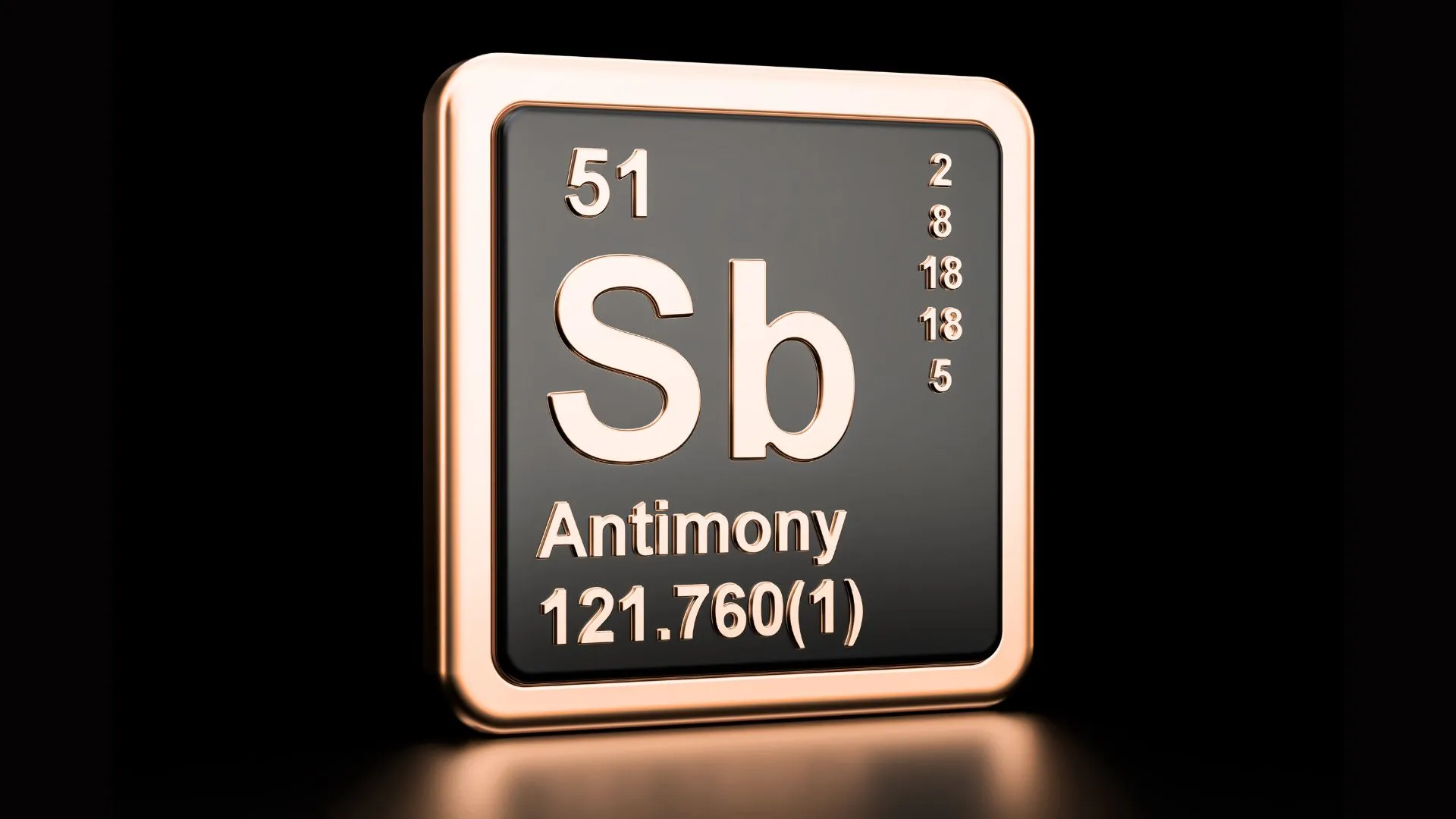

PFC Brakes has detailed the technical and regulatory challenges surrounding the use of antimony trisulfide in automotive braking systems. As environmental regulations tighten, the industry is transitioning toward alternative lubricants to maintain performance while meeting new safety standards.
Highlights
- Regulatory Pressure: Global environmental agencies are targeting antimony due to its classification as a potential carcinogen and its impact on aquatic life.
- Performance Role: Antimony trisulfide historically serves as a dry lubricant, stabilizing friction levels and reducing pad wear at high temperatures.
- Material Transition: Manufacturers are currently validating complex alternative compounds to replicate the thermal stability and noise reduction properties of antimony.
The Shift Toward Sustainable Friction
The automotive industry is facing increased scrutiny regarding the chemical composition of friction materials. While the elimination of copper gained significant attention, the phase-out of antimony represents the next major technical hurdle for brake pad engineers.
Antimony trisulfide is valued for its ability to prevent “glazing” and maintain a consistent friction coefficient during high-heat cycles. However, PFC Brakes notes that the substance is now listed on several restricted material lists.
Industry Context and Market Impact
This transition aligns with a broader movement toward “green” braking solutions. Regulatory bodies in Europe and North America are pushing for materials that minimize the toxicity of brake dust emissions.
Specifically, the industry must find substitutes that do not compromise:
- Thermal Integrity: Maintaining structural stability at temperatures exceeding 600°C.
- NVH Characteristics: Ensuring no increase in Noise, Vibration, and Harshness during low-speed stops.
- Oxidation Resistance: Protecting the rotor interface from premature corrosion.
Technical Replacement Strategies
Replacing a core lubricant requires a complete reformulation of the friction matrix. Engineers are testing combinations of synthetic sulfides and specialized carbon-based materials to fill the functional gap left by antimony.
Additionally, these new formulations must undergo rigorous dynamometer testing. This ensures that the removal of heavy metals does not result in increased rotor wear or diminished stopping distances for commercial and passenger vehicles.
Subscribe to The BRAKE Report. Get free sample chapters.