
Originally reported by Rimsa at rimsa.com (March 2026). Read the full story →
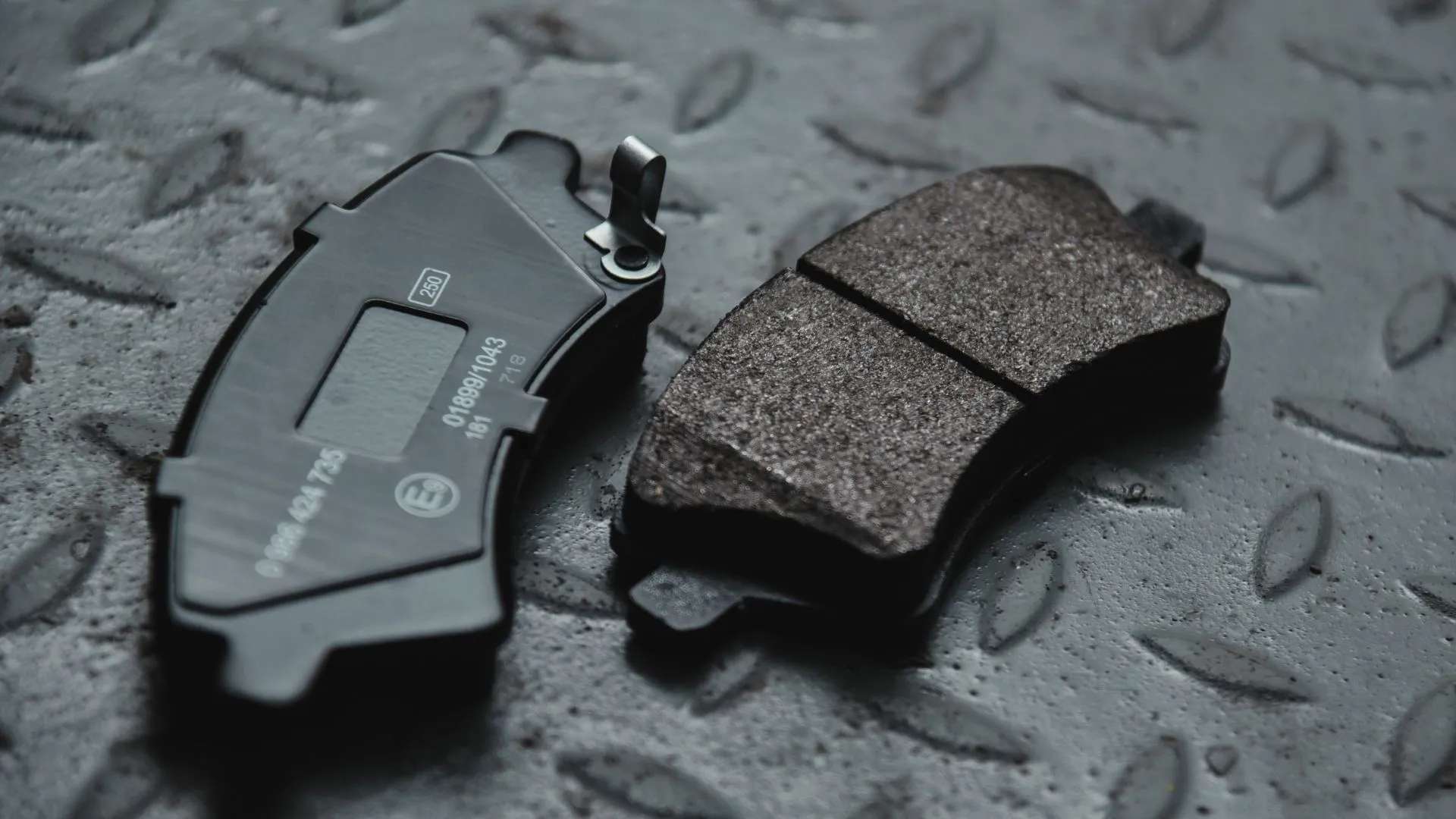
The friction materials supply chain faces mounting pressure to eliminate two legacy ingredients — leaded brass and antimony trisulfide — from brake pad formulations. As manufacturers converge at ASIA BRAKE in Delhi, the conversation has shifted from whether to remove these substances to how quickly plants can operationalize the transition. Tightening hazardous goods transport classifications and workplace safety mandates are turning what were once straightforward commodity inputs into costly logistical and compliance burdens. For aftermarket suppliers and OEM formulators alike, the window for voluntary action is narrowing as regulations force the issue.
Logistics Reclassification Turns Leaded Brass Into a Liability
For decades, leaded brass chips served as a reliable ingredient for managing heat dissipation and rotor contact in NAO and low-steel brake formulations. However, recent reclassifications of lead-containing alloys under ADR (Agreement concerning the Dangerous Carriage of Dangerous Goods by Road) regulations have dramatically altered the cost equation. What was once a bulk commodity now requires specialized dangerous-goods freight, dedicated storage protocols, and additional occupational safety measures on the plant floor.
These aren’t theoretical concerns. Manufacturers sourcing leaded brass now face higher per-unit logistics costs and increased HSE compliance overhead at every stage of the supply chain. The financial incentive to transition has caught up with the environmental one.
Barcelona-based friction materials specialist Rimsa has responded with ecoChip, a metallurgically engineered lead-free brass chip designed to match the ductility and thermal conductivity of conventional leaded alternatives. Critically, the product falls outside ADR classification entirely, which removes the dangerous-goods handling requirements that have been inflating procurement costs across the sector.
Antimony Replacement Demands More Than a Simple Swap
The second challenge is arguably more complex. Antimony trisulfide has long been the preferred solid lubricant for managing friction stability during high-temperature fade events, particularly in copper-free formulations where its role becomes even more critical. However, antimony’s inherent toxicity, volatile pricing, and concentrated supply base have made it a strategic vulnerability for any manufacturer still relying on it.
The instinct across the industry has been to seek a direct substitute — swapping antimony for increased graphite content or a single alternative lubricant. Rimsa’s engineering team argues this approach fundamentally misunderstands the chemistry involved. Antimony’s performance depends on complex interactions with degrading phenolic resin and cast-iron rotor surfaces at temperatures above 400°C. Replacing the ingredient without addressing that reaction pathway consistently results in degraded fade performance and unstable friction coefficients.
Instead, Rimsa advocates a synergistic formulation strategy that pairs two distinct mechanisms. The first uses controlled-oxidation synthetic sulfides (the company’s SF Series) designed to react at specific temperature thresholds. The second employs layered iron-oxide friction modifiers (marketed as r0-vein technology) that provide structural support for the resulting friction film. Together, these components recreate the stable “third body layer” that antimony traditionally enabled.
Regulatory Pressure Meets Commercial Reality
The broader industry context makes this transition increasingly urgent. Euro 7 regulations are tightening non-exhaust emissions standards, and the parallel push to reduce hazardous substances in manufacturing environments means formulators face pressure from both the product-performance side and the plant-operations side simultaneously. Meanwhile, antimony prices have historically been subject to sharp swings driven by supply concentration in a limited number of producing countries — a geopolitical risk that procurement teams can no longer afford to ignore.
For aftermarket manufacturers operating at scale, particularly those serving price-sensitive Asian and emerging markets where ASIA BRAKE draws significant attendance, the economics of reformulation are becoming favorable. The cost of maintaining legacy formulations increasingly includes not just raw material prices but regulatory compliance, logistics premiums, and workforce safety investments that compound over time.
What makes this moment different from previous “clean friction” conversations is that the drivers are no longer primarily environmental branding. They are operational and financial. Manufacturers who delay reformulation risk finding themselves locked into supply chains that regulators and logistics providers are actively making more expensive and more difficult to manage.
Bottom Line
The phase-out of leaded brass and antimony trisulfide from friction formulations is accelerating — driven less by sustainability messaging and more by hard logistics costs and tightening workplace safety rules. Formulators who treat this as a straightforward ingredient swap risk performance failures. The emerging consensus favors synergistic tribochemical approaches that replicate legacy performance without legacy liabilities. For brake industry procurement and R&D teams, the cost of inaction is now measurable in freight invoices and compliance overhead.
Subscribe to The BRAKE Report. Get free sample chapters.