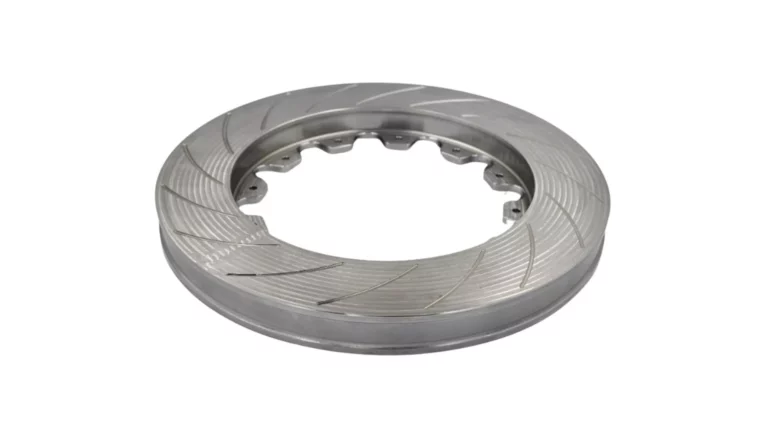
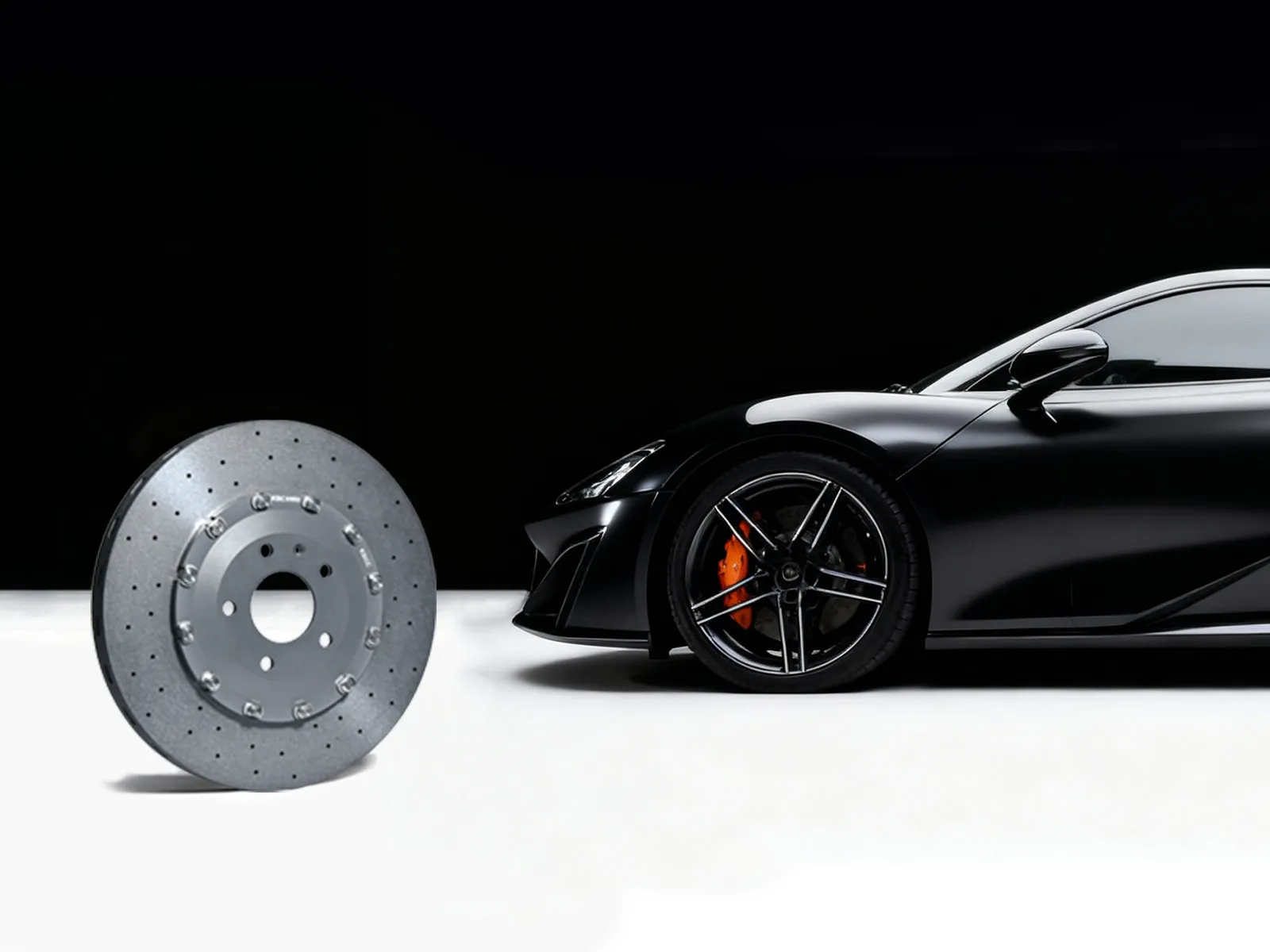

KBC Corp. Ltd. is supplying a dedicated carbon-ceramic brake package to the 2026 Xiaomi China Endurance Championship, a system the company says withstands more than 400 minutes of continuous operation under extreme racing conditions. The Yiyang, Hunan Province-based advanced carbon fiber composites manufacturer has been named an official partner of the series for the season. Beyond hardware supply, the arrangement covers race support, technology development, and brand promotion, extending the company’s carbon-ceramic braking technology from high-performance production vehicles into a professional racing series.
Highlights
- Official partner of the 2026 Xiaomi China Endurance Championship (CEC), supplying a dedicated carbon-ceramic brake package for series race cars
- Race system rated by the company for more than 400 minutes of continuous operation under extreme racing conditions while maintaining stable braking performance
- Carbon-ceramic brake components already supplied for the Hyper SSR, BYD Yangwang models, and the Xiaomi SU7 Ultra
- Technology built on the company’s long carbon fiber-reinforced carbon-ceramic brake disc platform
What the Partnership Covers
Under the agreement, KBC will provide a race-specific carbon-ceramic brake package for CEC competitors and work alongside the series across three areas: race support, technology development, and brand promotion.
The race system is engineered around the two conditions that define endurance competition — sustained high operating temperatures and repeated braking cycles across long stints. According to KBC, the package holds stable braking performance through more than 400 minutes of continuous operation. The company states the system is designed to deliver high-temperature resistance and reduce thermal fade over prolonged use.
Why Does Endurance Racing Stress Brake Systems?
Repeated braking cycles across a long race generate significant heat accumulation in the brake system. That accumulation makes thermal stability and fade resistance central to how a package performs late in a stint rather than on a single stop.
Carbon-ceramic discs are specified on high-performance vehicles for their ability to hold braking performance at elevated temperatures, along with weight-saving potential compared with conventional metallic brake systems. The same properties that have driven the material toward standard fitment on high-performance production models apply under endurance conditions, where thermal capacity is tested continuously rather than intermittently.
From Production Cars to the Circuit
The CEC program marks a further step in the commercialization of KBC’s carbon-ceramic braking technology. The company has developed long carbon fiber-reinforced carbon-ceramic brake disc technology and has supplied carbon-ceramic brake components for several high-performance production vehicles, including the Hyper SSR, BYD Yangwang models, and the Xiaomi SU7 Ultra.
That production base gives the motorsport program a different character than a pure sponsorship. Racing supplies KBC with an additional application environment for the material, and the demanding conditions of endurance competition create an opportunity to further evaluate both the material and the complete brake system under sustained high-temperature and repeated braking loads.
The move also places a Chinese carbon-ceramic supplier into a segment where the established manufacturers and a wave of newer entrants targeting street and track use have historically set the terms.
What KBC Says Comes Next
The company says it will continue developing carbon-ceramic braking materials and manufacturing technologies, with a stated focus on improving performance and supporting broader adoption across high-performance automotive applications.
Subscribe to The BRAKE Report. Get free sample chapters.