
Sign up for our weekly email to stay on top of the latest news and insights!
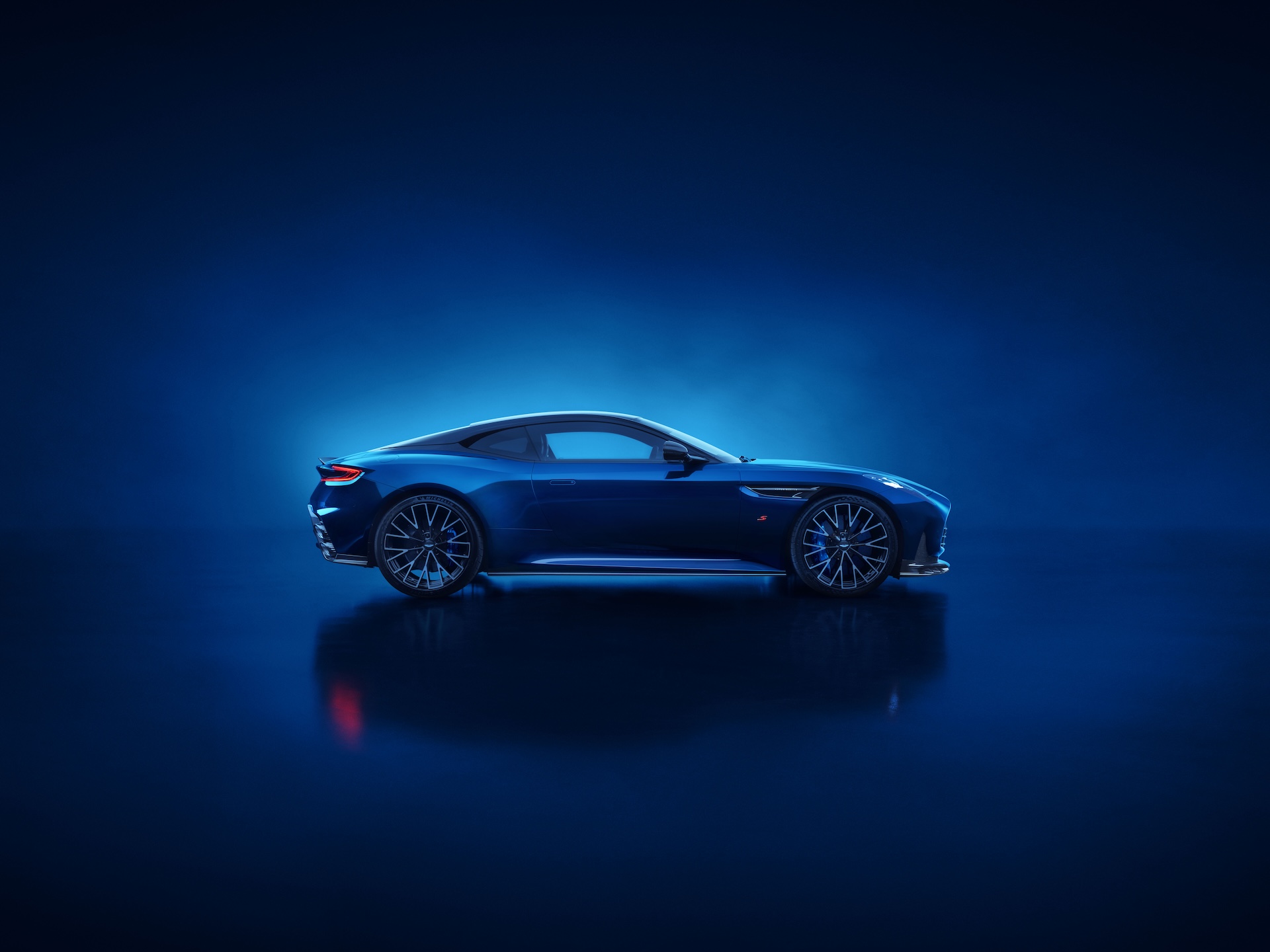
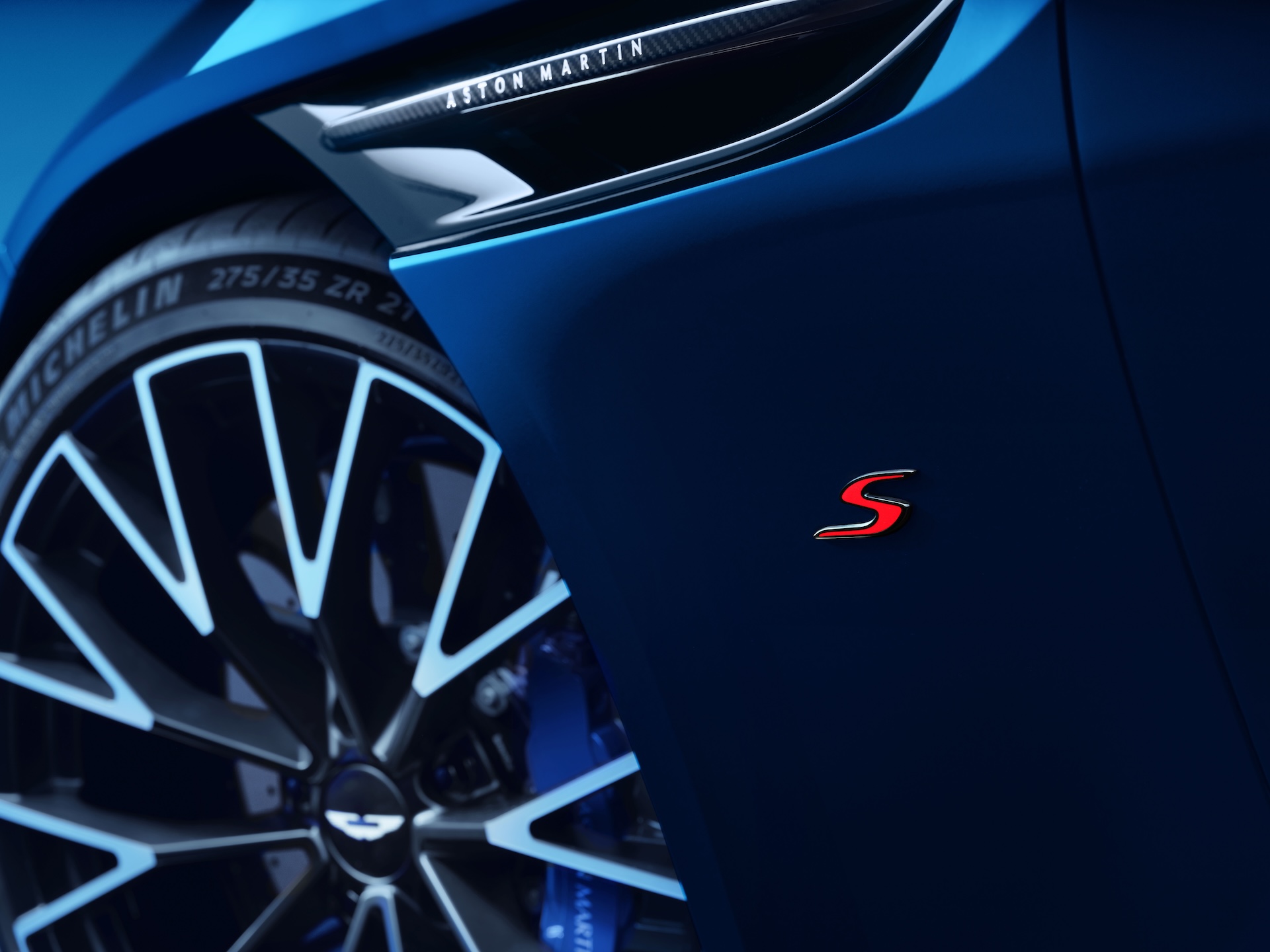
Aston Martin has announced its new DB12 S halo model, making a significant engineering statement by including Carbon Ceramic Brakes (CCB) as a standard feature. The integration of this high-performance braking system is central to the vehicle’s enhanced dynamic capabilities and driver-focused engineering.
Key Highlights
- Standard Fitment: The DB12 S comes equipped with Carbon Ceramic Brakes (CCB) as a standard feature.
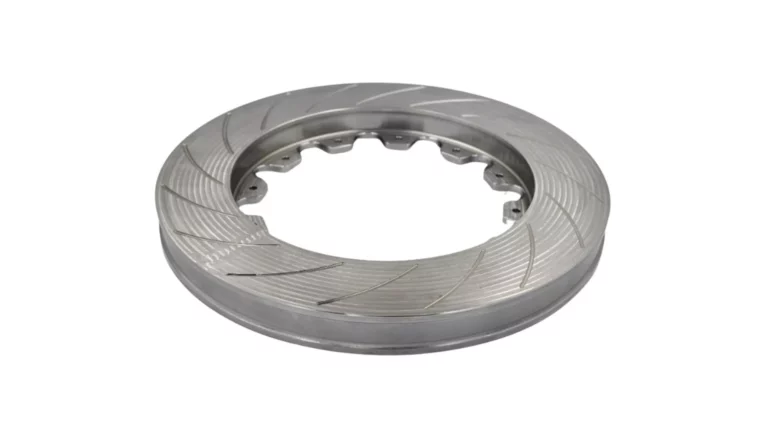
- System Specifications: The CCB system features 410mm diameter front discs and 360mm rear discs.
- Mass Reduction: The system achieves a significant 27kg reduction in unsprung weight compared to steel brakes.
- Advanced Control: The vehicle debuts a next-generation corner braking control system (CBC) for enhanced stability.
- System Integration: The CBC works with the Integrated Brake Slip Control and Integrated Vehicle Control modules for optimized performance.
Technical Specifications of the CCB System
The decision to standardize Carbon Ceramic Brakes on the DB12 S underscores a focus on maximizing dynamic performance. The system offers increased braking power and thermal capacity, providing exceptional resistance to fade. According to the company, the brakes deliver a linear response and consistent pedal feel under demanding conditions.
The hardware consists of 410mm diameter discs at the front and 360mm at the rear. A key engineering benefit of this system is the substantial reduction of 27kg in unsprung weight compared to an equivalent steel brake setup.
Advanced Braking Control and Vehicle Integration
The DB12 S benefits from the next generation of corner braking control system (CBC). This advanced software optimizes the interaction between the Integrated Brake Slip Control and the Integrated Vehicle Control modules.
A predictive function within the CBC allows the vehicle to maintain optimal stability while trail braking into a corner. The system is calibrated to use more of the rear braking performance to maintain a tighter line from corner entry to apex. This allows the driver to brake later and with improved stability. The Integrated Brake Slip Control system provides torque vectoring across the rear axle, delivering predictable and consistent cornering behavior.
Impact of Reduced Unsprung Mass
The 27kg weight savings from the standard CCB system provides benefits that extend beyond stopping power. This significant reduction in unsprung mass positively impacts the vehicle’s ride quality, steering feel, and overall dynamic handling. The chassis, which includes software changes to the Bilstein DTX dampers and a stiffer rear anti-roll bar, is engineered to capitalize on the advantages offered by the lighter braking components.
Model Availability
The Aston Martin DB12 S is available to order in both Coupe and Volante configurations. Deliveries are scheduled to commence in the first quarter of 2026.
Subscribe to The BRAKE Report. Get free sample chapters.