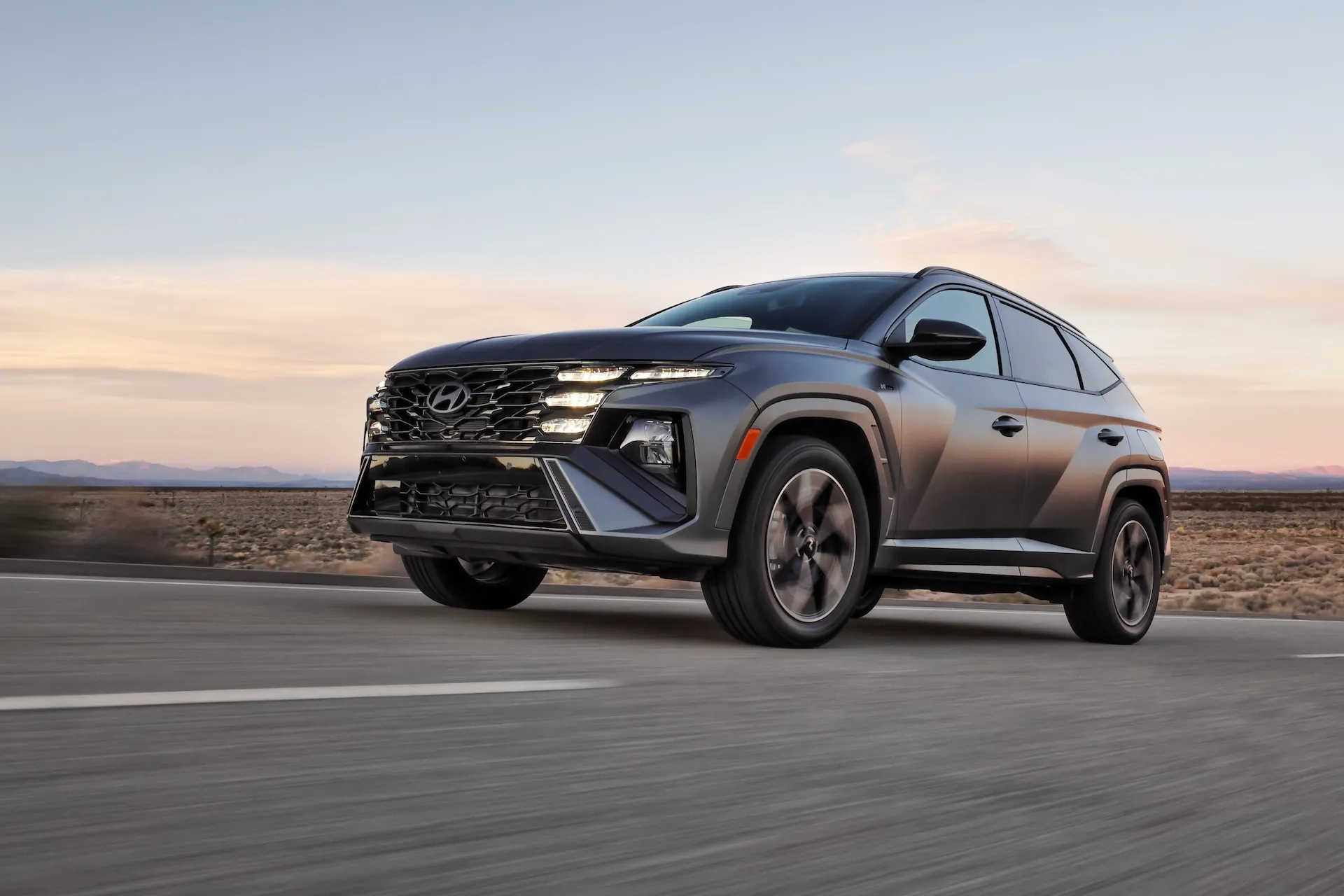

Hyundai Motor America faces a new class action lawsuit alleging that the 2025 Tucson and Tucson Hybrid feature a defective Forward Collision-Avoidance Assist (FCA) system. Filed in California federal court, the complaint claims these vehicles experience “phantom braking,” where the Automatic Emergency Braking (AEB) system abruptly engages at high speeds without obstacles present. The suit argues this unintended deceleration creates significant safety risks for drivers and following traffic.
Highlights
- A class action lawsuit alleges the 2025 Hyundai Tucson FCA system suffers from a defect causing high-speed phantom braking events.
- Technical claims suggest the Electronic Control Unit fails to filter false positives from radar and camera sensors, misinterpreting shadows or road signs.
- Regulatory data from NHTSA includes reports of vehicles decelerating from 70 mph to 20 mph in seconds without driver input.
- The litigation highlights a “dual hazard” for Hyundai, which is simultaneously defending a separate case involving Palisade braking systems.
Technical Allegations and ECU Logic
The complaint (Case No. 8:26-cv-01042) specifically targets the logic used by the vehicle’s Electronic Control Unit (ECU). According to the filing, the Tucson’s AEB system misinterprets environmental factors such as shadows, road signs, or pavement changes as stationary objects. This software failure leads the system to command a full-pressure brake application.
Braking professionals note that the core issue involves the system’s inability to properly filter sensor data. The lawsuit argues that the software does not adequately distinguish between actual hazards and non-threats, resulting in dangerous “false positives.”
Regulatory Background and NHTSA Evidence
The lawsuit points to a surge of consumer complaints filed with the National Highway Traffic Safety Administration (NHTSA). These reports describe “near-miss” collisions where trailing vehicles were forced to swerve to avoid rear-ending the Tucson.
One specific filing, NHTSA ID 11608921, describes a vehicle passing under a highway overpass that suddenly decelerated from 70 mph to 20 mph. Despite these reports, the suit alleges that Hyundai dealerships often inform owners the system is “operating as designed” or blame blocked sensors, leaving drivers without a permanent technical fix.
Comparing Tucson and Palisade Litigation
This filing creates a secondary legal front for Hyundai’s braking technology. The company is currently defending the Maldonado v. Hyundai case filed in May 2025 regarding the Palisade. However, the technical failures in the two cases are distinct:
| Feature | 2025 Tucson (New Case) | 2025 Palisade (Maldonado) |
| System | Forward Collision-Avoidance (AEB) | ABS & Traction Control |
| Defect | Unintended Activation (Phantom Braking) | Delayed Stopping / Pulse Failure |
| Road Condition | Clear, smooth roads | Rough, bumpy, or uneven surfaces |
Accessing Court Documents
The 58-page complaint for the Tucson case is accessible through several legal databases. Industry observers can find the filing via PACER under Case No. 8:26-cv-01042 in the Central District of California.
Additional details are available on Law360 using article #2445031. The suit was filed by Ahdoot & Wolfson, PC and Lemberg Law, both of whom have published case investigation briefs regarding the 2025 Tucson phantom braking allegations.
Subscribe to The BRAKE Report. Get free sample chapters.