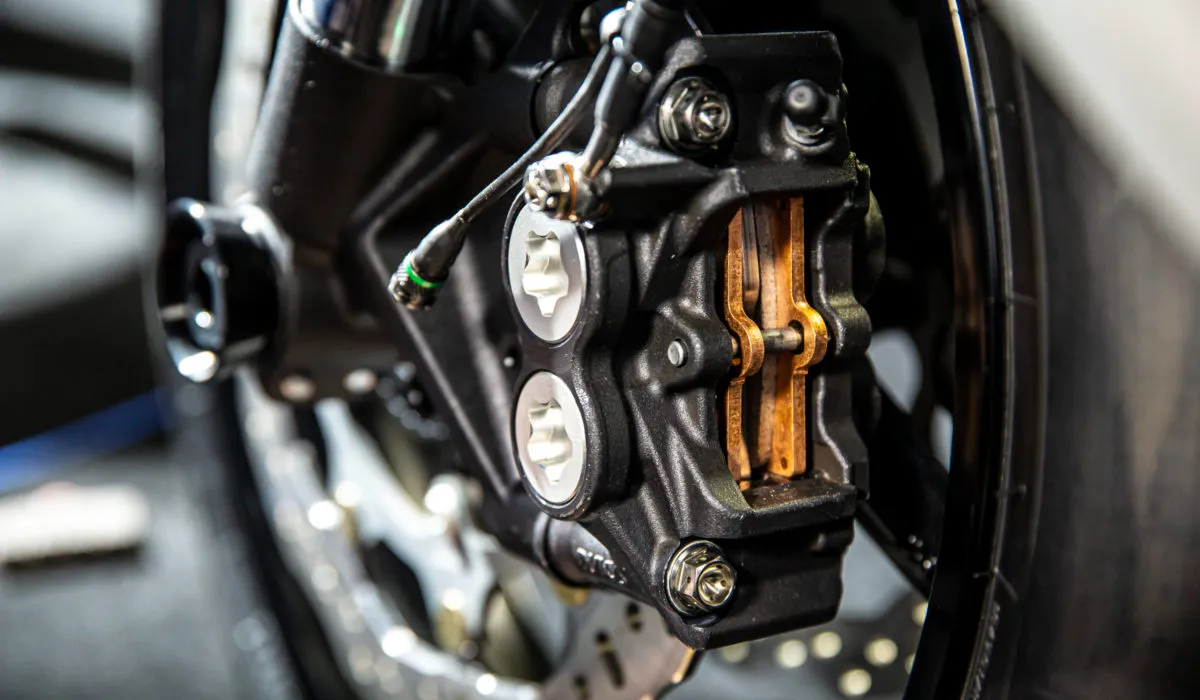

Choosing the right brake pads for a motorcycle involves more than matching a part number. According to Galfer, the decision depends on riding style, braking system compatibility and real-world conditions. The Spain-based manufacturer published a comprehensive guide to help riders navigate pad selection with confidence.
Highlights
- Riding context matters most: Galfer emphasizes that how a motorcycle is used daily — not just its model — should drive brake pad selection.
- Three compound categories: Organic, sintered and high-performance sport pads each serve distinct temperature ranges and riding demands.
- System-level thinking required: Disc condition, ABS compatibility and thermal management all influence braking outcomes beyond pad choice alone.
- Common mistakes identified: Price-only decisions, ignoring disc wear and mismatched compounds top the list of rider errors.
Riding Context Drives Pad Selection
Galfer’s guide frames pad selection around four primary use cases. Each presents different thermal and performance demands.
For urban riding, pads must deliver immediate cold response and progressive feel. Short, repeated stops in variable weather favor compounds that perform well below peak temperature. In contrast, road and mountain riding generates sustained heat. Consistent lever feel under thermal load becomes the priority.
Trail and adventure motorcycles face a different challenge. These bikes often carry extra weight from passengers or luggage. As a result, pads must balance durability with predictable behavior across varied surfaces. Track use represents the opposite extreme. Intense, repeated braking demands compounds engineered for narrow, high-temperature operating windows.
Understanding Compound Differences
Galfer breaks motorcycle brake pads into three broad categories based on friction material composition.
Organic Pads
Organic compounds generally deliver the following characteristics:
- Strong cold-bite performance for immediate response
- Progressive modulation that favors control over raw power
- Quiet operation suited to everyday commuting
These pads work well in urban environments. However, they may lose effectiveness under sustained high-temperature use.
Sintered Pads
Sintered metallic compounds offer a different performance profile:
- Superior heat resistance for demanding conditions
- Consistent friction output across wider temperature ranges
- Reliable wet-weather performance compared to organic alternatives
Most modern motorcycles come equipped with sintered pads from the factory. They suit riders who encounter varied and intensive braking scenarios.
High-Performance Sport Compounds
Sport-specific pads prioritize peak braking power at elevated temperatures:
- Optimized for high operating temperatures encountered during track sessions
- Designed for aggressive braking zones and repeated hard stops
- Trade-offs in cold comfort make them impractical for daily commuting
Disc Condition Affects Overall Performance
Brake pads do not operate in isolation. Galfer stresses that disc material, wear level and compatibility directly influence braking outcomes. A heavily worn or mismatched disc can introduce noise, vibration and uneven pad wear. Even premium pads underperform when paired with degraded rotors.
For this reason, Galfer recommends evaluating the braking system as a complete unit. Riders should inspect disc thickness and surface condition whenever replacing pads.
ABS Compatibility Considerations
Modern motorcycles increasingly feature ABS and cornering assist systems. These electronic aids rely on predictable friction behavior to function correctly. Galfer notes that pads with progressive, linear response help ABS modulate pressure more effectively.
An overly aggressive initial bite can actually reduce safety. It may trigger premature ABS intervention on low-grip surfaces. Therefore, matching pad characteristics to electronic braking systems matters as much as matching them to riding style.
Thermal Fade and Compound Matching
When pads operate outside their designed temperature range, braking effectiveness drops. This phenomenon is known as thermal fade. Selecting a compound matched to typical riding conditions helps maintain consistent stopping power.
Riders who frequently tackle long descents or spirited routes should choose pads rated for higher thermal loads. Meanwhile, commuters benefit from compounds optimized for lower operating temperatures.
Common Pad Selection Mistakes
Galfer identifies several frequent errors that compromise braking performance:
- Choosing on price alone without considering compound suitability
- Prioritizing maximum power when riding conditions don’t demand it
- Neglecting disc inspection during pad replacement
- Replacing only one front caliper’s pads on dual-disc motorcycles, which creates braking imbalance
Additionally, Galfer notes that front and rear pads wear at different rates. They do not need simultaneous replacement. However, both front calipers must receive new pads together to maintain even braking force distribution.
Quick Selection Framework
For riders unsure where to start, Galfer recommends evaluating four factors in order:
- Real-world use: Daily commute, touring, adventure or track
- Riding style: Relaxed, moderate or aggressive
- System compatibility: Caliper type, disc condition and ABS presence
- Desired feel: Progressive control versus maximum stopping force
Maximum braking power only matters when the riding context truly demands it. For most riders, confidence, control and consistency define effective braking.
Subscribe to The BRAKE Report. Get free sample chapters.