
Pep Boys has identified four common causes of brake vibration — rotor thickness variation, uneven brake pad wear, stuck calipers, and suspension wear — warning drivers that a shaking steering wheel or pulsing pedal should never be ignored. The advisory from Pep Boys, an automotive service provider with nearly 800 locations across the U.S. and Puerto Rico, notes that many drivers dismiss these symptoms or assume they will resolve on their own, which is rarely the case.
Highlights
- Pep Boys identifies four common causes of brake vibration: rotor thickness variation, uneven brake pad wear, stuck or seized calipers, and suspension wear.
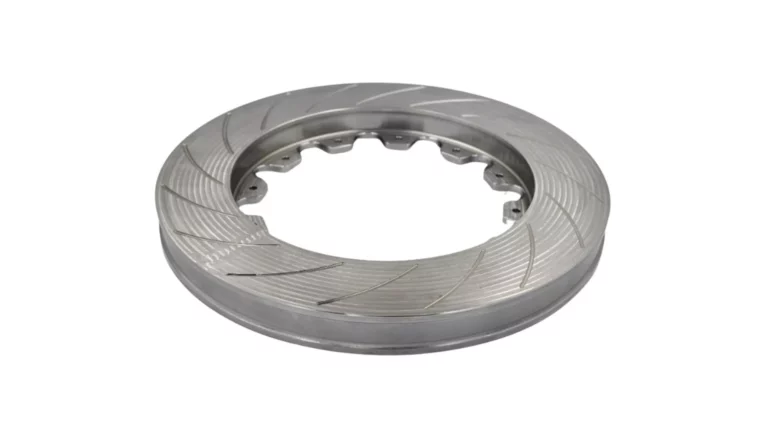
- Rotor thickness variation — often described as warping — creates inconsistent pad contact and a pulsing sensation underfoot.
- On-car lathe resurfacing corrects rotor thickness variation in place and reduces the risk of reinstallation errors.
- Brake inspections are available online or by walk-in at nearly 800 Pep Boys locations across the U.S. and Puerto Rico.
What Causes Brake Vibration?
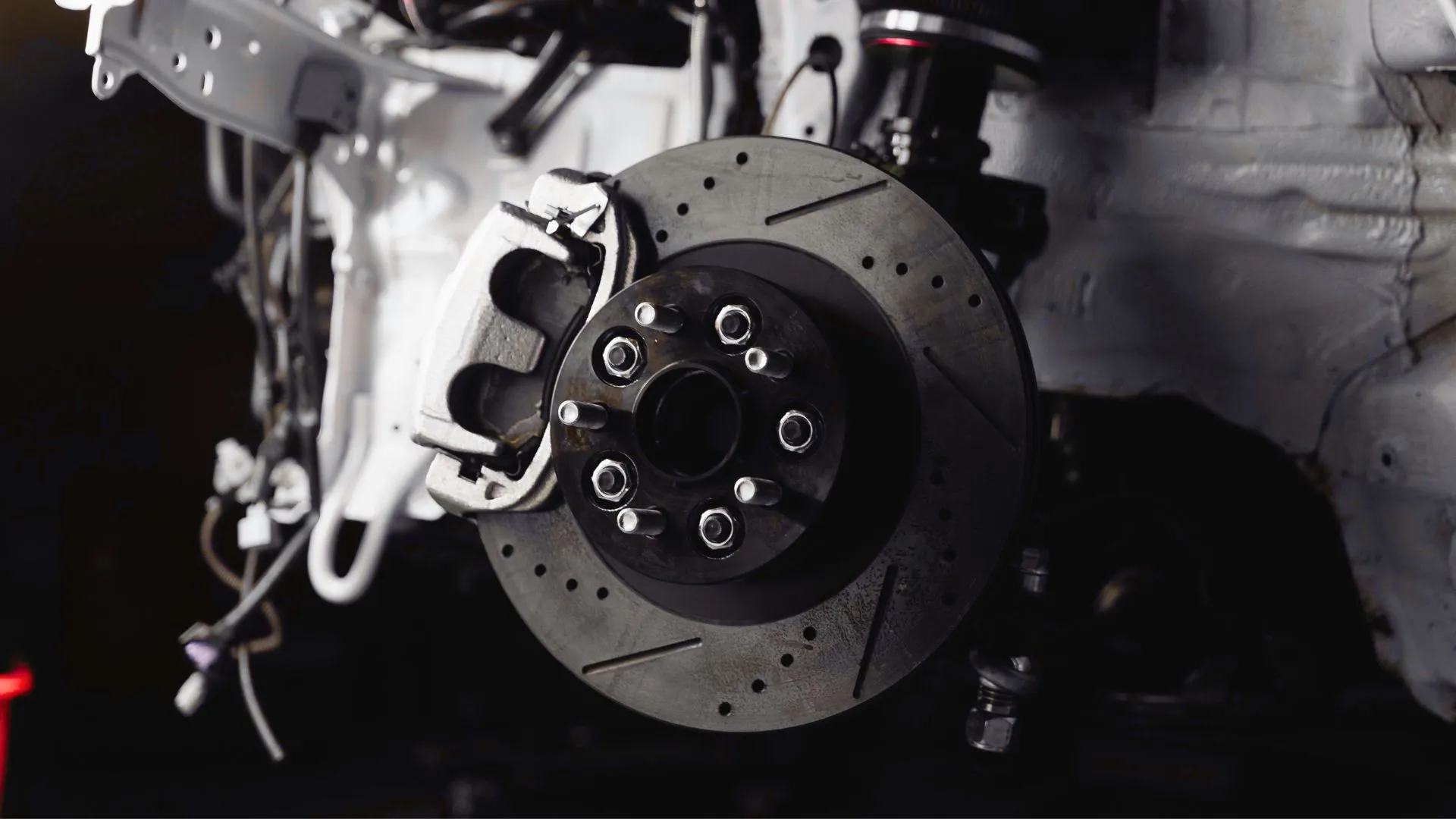
Brake vibration can originate from several sources, including rotors, brake pads, calipers, or suspension components. Rotor thickness variation sits at the top of the list, though the company emphasizes that symptoms from different components can be difficult to tell apart without professional diagnosis. The four most common causes:
- Rotor Thickness Variation — Often described as warping, this condition develops when rotors wear unevenly or lose their parallelism, creating inconsistent contact with the brake pads and a noticeable pulsing sensation underfoot.
- Uneven Brake Pad Wear — Pads that degrade inconsistently or accumulate debris can generate vibration during braking, particularly at lower speeds, and are sometimes mistakenly blamed on the rotors.
- Stuck or Seized Calipers — A caliper that fails to slide and release properly applies uneven braking pressure, which can pull the vehicle to one side and introduce shaking throughout the stop.
- Suspension Wear — Deteriorating bushings, ball joints, or shocks can produce sensations that closely mimic brake-related vibration, making professional diagnosis especially important.
Ignoring the Symptoms Compounds the Damage
The company cautions that deferred repairs accelerate wear on connected components.
“When a car shakes during braking, the vehicle is communicating that something is wrong,” said Scott Elliott, Manager of Technical Training at Pep Boys. “The longer that goes unaddressed, the more wear it puts on connected components. What starts as a rotor issue can turn into a full brake and suspension job if it’s pushed too far.”
What a Professional Brake Inspection Covers
A professional brake inspection at Pep Boys covers the entire system: rotor thickness and lateral runout measurement, brake pad condition, caliper function, suspension integrity, and tire wear. For rotor issues, technicians can perform on-car lathe resurfacing, which corrects thickness variation in place and reduces the risk of reinstallation errors.
The advisory extends the company’s earlier guidance on what noisy brakes may signal, shifting the focus from sound to feel. Drivers can book a brake inspection online at PepBoys.com/Appointment or by walk-in at any location.
Subscribe to The BRAKE Report. Get free sample chapters.