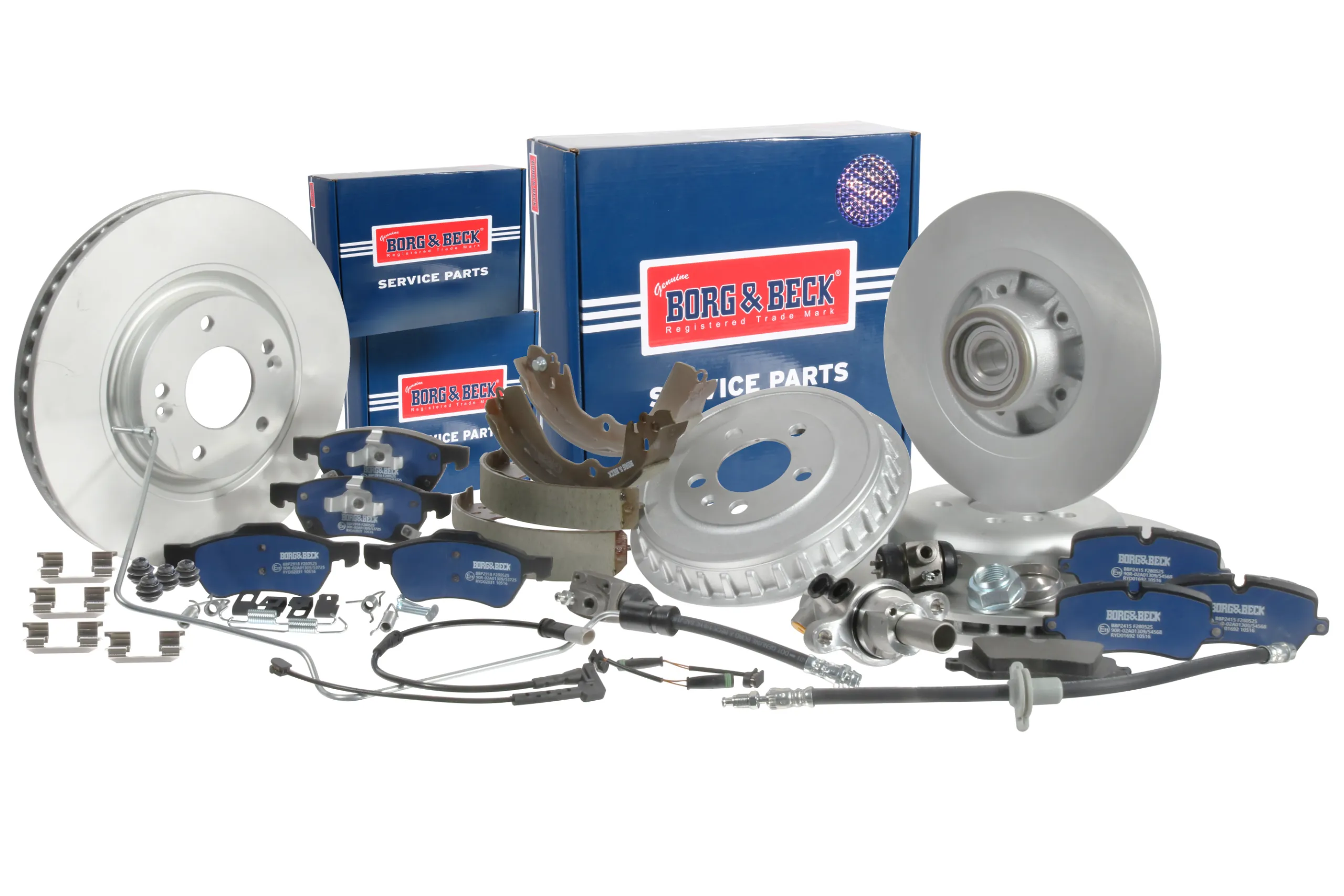

Euro 7’s new limits on brake particle emissions will gradually change what the aftermarket needs from replacement pads and discs, according to UK parts supplier First Line Ltd. The company says that as compliant vehicles enter the UK and European fleet, replacement components will need to match the requirements and characteristics of the original parts. First Line markets its braking components under the Borg & Beck brand and says they are engineered to meet ECE R90 approval where applicable.
Why Brake Wear Particles Matter
Every brake application wears away a small amount of material from the pad and disc. According to First Line, these particles contribute to non-exhaust vehicle emissions.
The company says the smallest particles can add to airborne fine particulate pollution and can be inhaled deep into the lungs. It adds that exposure there may be associated with irritation, inflammation, and wider respiratory concerns.
The concern goes beyond air quality. Particles that settle on road surfaces can be washed by rain into drains, rivers, and other waterways. First Line notes that they carry metals and contaminants that can affect aquatic organisms and add to pollutant buildup in the environment.
How Euro 7 Changes Brake Development
Euro 7 brings brake particle emissions directly within European vehicle emissions regulation. The regulation’s brake particle limits apply to new passenger car and van types from November 29, 2026. The limits are 11.3 mg per mile (7 mg/km) for most vehicles and 4.8 mg per mile (3 mg/km) for battery-electric vehicles.
First Line calls this a considerable technical challenge, because cutting particulate output cannot come at the expense of stopping performance. According to the company, friction materials must still deliver:
- Effective braking with fade resistance
- Durability across the component’s service life
- Low noise and driver comfort
- Fewer airborne particles than current formulations
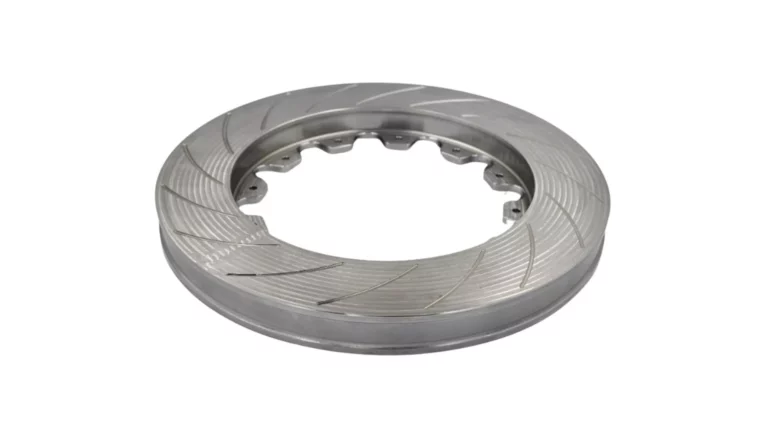
The company says brake discs must also provide high levels of wear resistance. Changes across the vehicle fleet intensify the challenge. Vehicles are growing more sophisticated and often heavier, and braking systems increasingly operate alongside advanced safety technologies.
A Gradual Shift for Replacement Parts
First Line expects Euro 7’s effect on the aftermarket to be gradual. As compliant vehicles enter service, parts distributors and repair shops will increasingly need replacement brake pads and discs that match the original components. In the UK, those distributors are known as motor factors.
The company expects this to stimulate further innovation in friction materials and disc technology. Manufacturers will be working to combine lower particulate emissions with the performance, longevity, and refinement drivers expect. First Line also sees potential for some of these developments to reach older vehicle applications once lower-emission friction technologies become established and commercially viable.
Borg & Beck stresses that safety must remain the overriding priority. Any alternative friction material introduced for an existing application must be properly developed and validated so the vehicle keeps the correct braking characteristics. For distributors and technicians, the company advises choosing replacement components by specification, application suitability, and proven performance, not by price alone.
Will Lower-Emission Brakes Cost More?
First Line acknowledges that technological improvements carry a cost. New friction materials, additional testing, and more demanding performance requirements are likely to raise manufacturing costs, especially in the early stages of Euro 7 adoption.
According to the company, that could mean higher prices for some replacement components engineered specifically for the new requirements. It expects costs to become more competitive as production volumes rise, technologies spread, and manufacturing processes mature.
Borg & Beck’s Product Approach
First Line says Borg & Beck has adapted its braking range to changing legislation, vehicle technology, and environmental expectations. That work has included moving away from materials with greater environmental impact.
The brand works with its manufacturing partners on friction material development. The company says those projects weigh braking performance, service life, and environmental impact together. First Line supplies the Borg & Beck braking range alongside more than 65 other product lines.