

Comline is advising independent workshops to stop applying copper-based grease during brake pad installation. The aftermarket parts supplier says the practice can interfere with modern electronic braking systems, restrict pad movement, and damage rubber seals.
Highlights
- Copper grease can disrupt ABS and ESP systems by contaminating wheel speed sensors and electronic components with conductive residue.
- Brake dust and road debris accumulate in copper grease, forming an abrasive paste that restricts pad movement inside the caliper.
- Petroleum-based copper greases degrade rubber seals, increasing the risk of fluid leaks and reduced braking performance.
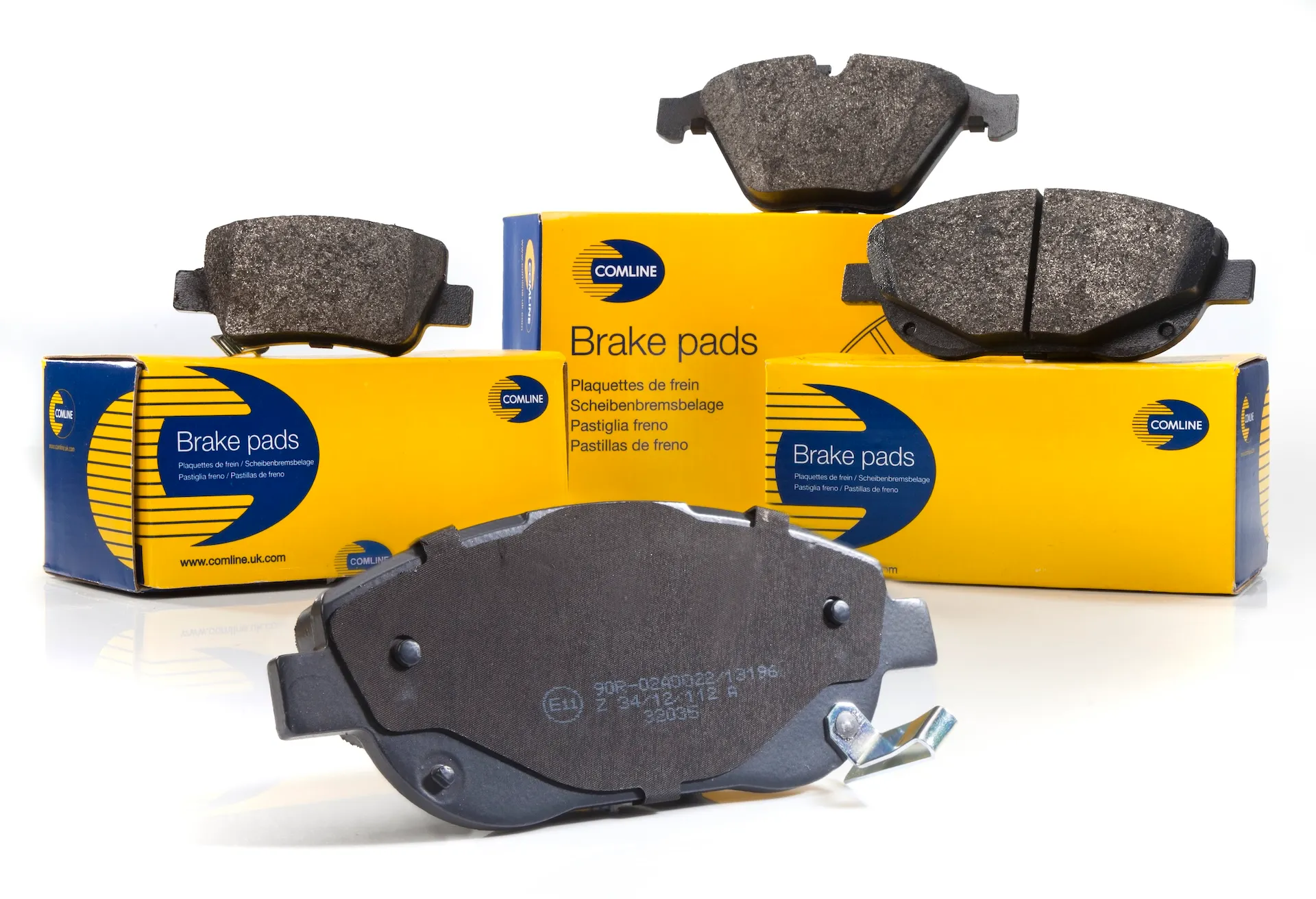
- Comline’s brake pads carry the AASA ‘N’-rated leaf mark, confirming copper-free friction formulations.
Electronic System Risks Drive the Warning
Modern braking systems depend on precise electronic sensor communication for ABS and ESP functionality. According to Comline, copper grease is electrically conductive and can spread onto wheel speed sensors during installation. That contamination can disrupt signal transmission and trigger system faults.
Beyond electronic interference, the grease attracts brake dust and road debris over time. The resulting abrasive paste can prevent brake pads from sliding freely within the caliper, leading to uneven wear, noise, or brake binding.
Rubber Component Damage
Most copper greases use a petroleum base that is incompatible with rubber components. Prolonged contact can cause seals and boots to swell, soften, or crack. That degradation raises the risk of fluid leaks and contamination, ultimately reducing braking performance.
Comline’s Copper-Free Approach
Comline says its brake pads have never contained copper in their friction formulation. The company holds the Automotive Aftermarket Suppliers Association’s ‘N’-rated leaf mark, a recognized symbol of environmental responsibility in friction materials.
Dr. Keith Ellis, Comline’s braking expert, noted the advisory is meant to help workshops deliver professional repairs and prevent premature customer returns caused by grease-related brake issues.
Testing and Certification Standards
Comline’s brake pad range carries independent ECE R90 approval. The company also subjects its pads to voluntary testing beyond regulatory requirements, including:
- Hot shear testing at 300°C
- Noise testing at varying speeds and pressure
- AK master testing on a dynamometer
- Wear testing for real-world durability
Comline designates pads meeting these additional benchmarks as R90+. The range covers 800 references for European, Japanese, and Korean passenger cars and light commercial vehicles.
For more information about Comline’s braking range, visit www.comline.uk.com/braking.
Subscribe to The BRAKE Report. Get free sample chapters.