

The Brembo Group is launching its technical campaign for the 2026 Formula 1 season, a year marked by significant regulatory changes to single-seater race cars. These new regulations introduce reduced vehicle weight, active aerodynamics, and an electrical system that triples acceleration capabilities. These shifts make energy management and deceleration critical factors for performance, as teams adapt to the most profound transformation in the sport in 30 years.
Highlights
- New technical regulations allow for brake calipers with up to eight pistons and four pads to improve torque and pressure distribution.
- Brembo confirms its role as a supplier for all 11 teams, providing calipers, brake-by-wire systems, and master cylinders across the grid.
- Increased electrical power recovery at the rear axle reduces traditional braking load but creates a longer, hybrid braking phase.
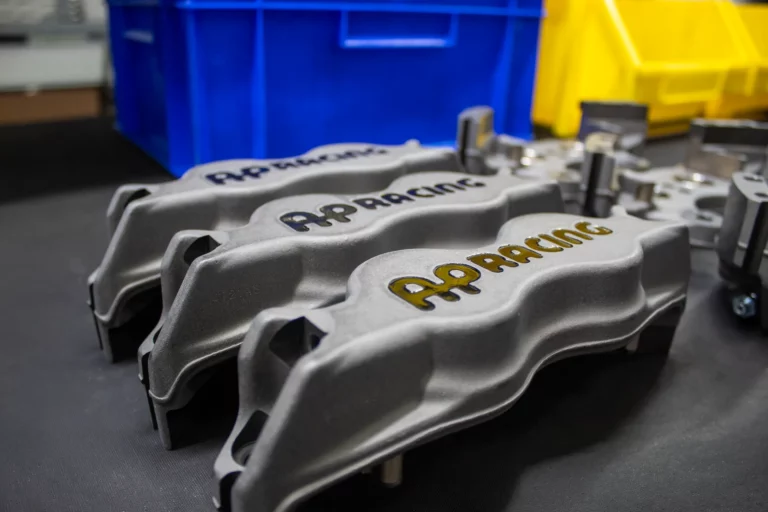
- Integration of AP Racing clutches and Öhlins dampers provides teams with a comprehensive portfolio of specialized performance solutions.
Redesigned Braking Systems and Components
For the first time in three decades, Formula 1 regulations have fundamentally altered braking system design constraints. Teams are no longer limited to the traditional six-piston, two-pad layout. They may now implement more diverse configurations, including eight-piston calipers and four pads to deliver more consistent pedal feel and higher braking torque.
Structural updates to the braking hardware include:
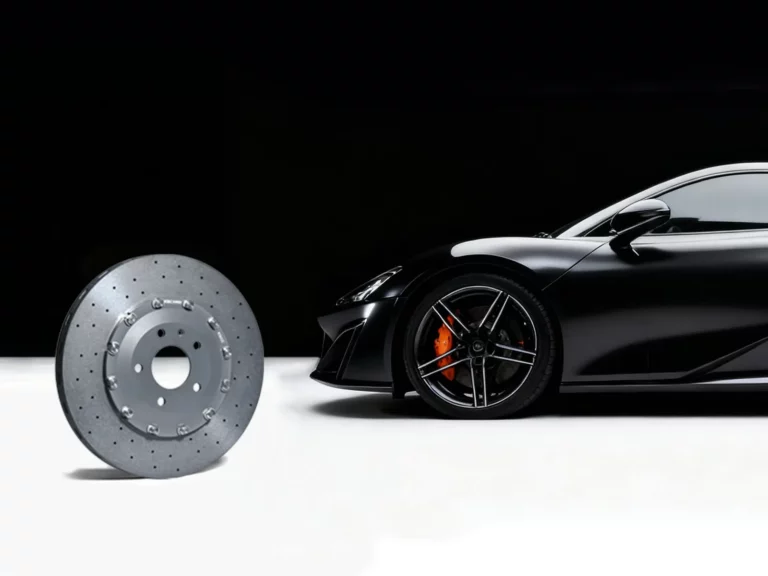
- Brake Discs: Smaller diameter discs featuring a higher number of ventilation holes to optimize cooling.
- Mounting Points: A new optional third caliper mounting point to increase system stiffness.
- Material Stability: Advanced carbon materials designed to remain reliable during extended, software-driven hybrid braking events.
Group Synergy and Team Partnerships
The Brembo Group utilizes its subsidiary brands to meet the complex demands of the 2026 grid. While all teams use Group calipers, five teams utilize complete Brembo braking systems including pads and discs. AP Racing, a part of the Group since 2000, supplies high-performance clutches to eight teams. Additionally, Öhlins provides specialized dampers to five teams to manage the ride quality of cars with active aerodynamics.
Impact of Electrification on Deceleration
The 2026 power unit changes significantly alter how vehicles slow down. High levels of energy recovery at the rear wheels shift the deceleration burden away from conventional friction brakes. While front-axle performance remains similar to previous seasons, the rear system must integrate seamlessly with energy harvesting software. This evolution forces teams to choose between extreme, aggressive configurations and more conservative technical paths to achieve the best balance between performance and safety.
Subscribe to The BRAKE Report. Get free sample chapters.