
The global friction industry has spent decades moving toward Non-Asbestos Organic (NAO) and ceramic formulations to meet safety standards. In major markets like Australia and the UK, the importation of asbestos is a strict zero-tolerance issue. However, the complexities of global sourcing continue to expose vulnerabilities in supply chain verification.
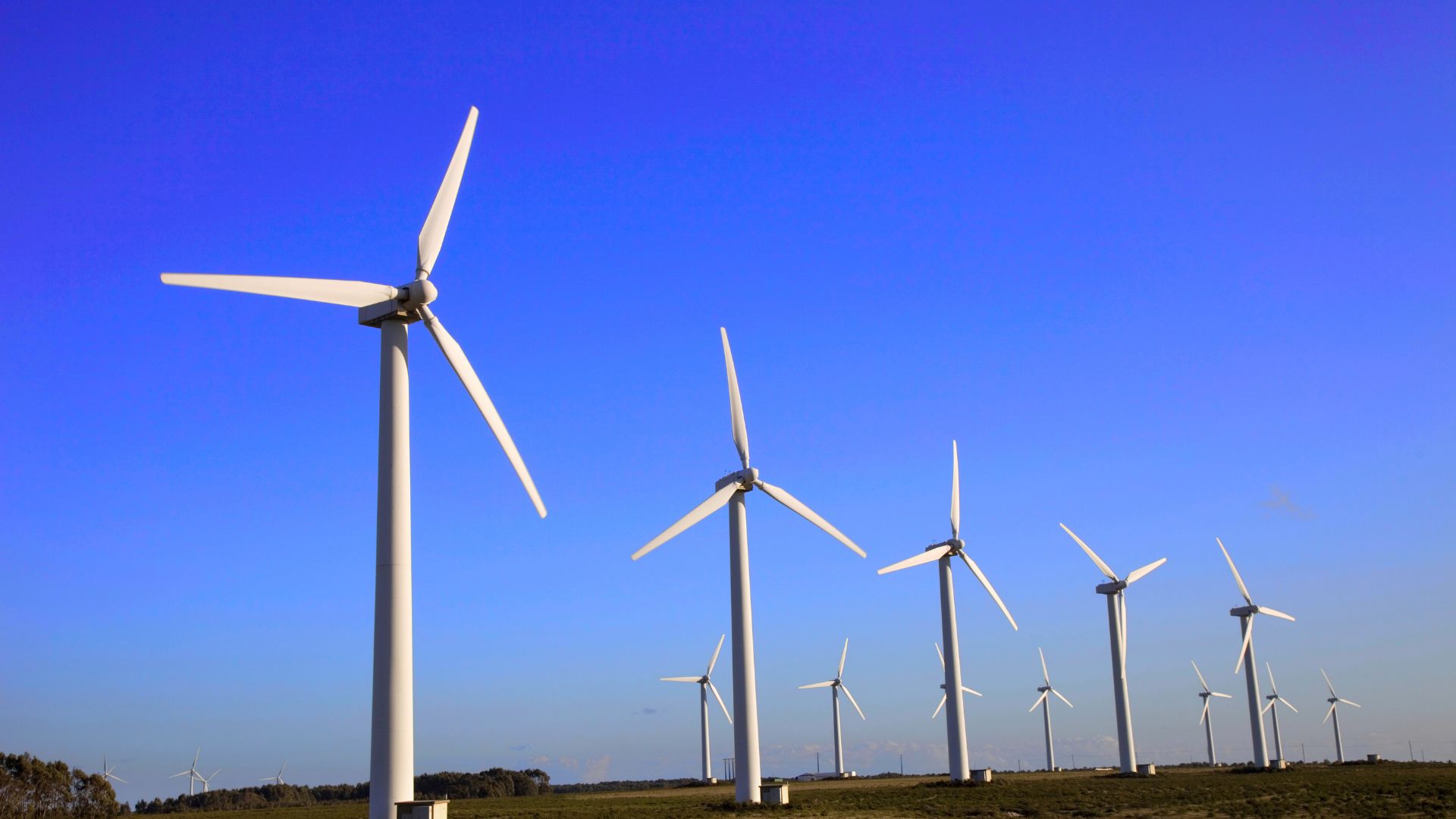
A recent discovery in the Australian renewable energy sector serves as a critical warning for all industrial braking professionals. The incident involves the detection of chrysotile (white asbestos) in the braking components of wind turbines. While the automotive sector is often the primary focus of regulation, industrial braking systems—used for yaw control, rotor stopping, and service lifts—are equally critical.
This breach demonstrates that “Asbestos-Free” certification from overseas suppliers cannot always be taken at face value. When cost pressures meet complex logistics, prohibited materials can slip through the cracks. This event is likely to trigger a ripple effect of scrutiny across the entire industrial friction landscape.
As reported by ABC.net/au.
“WorkSafe Victoria and Goldwind Australia, a subsidiary of Chinese firm Goldwind Science and Technology Co. Ltd, said white asbestos was found in brake pads used in wind turbines at its Cattle Hill Wind Farm in Tasmania. The brake pads were supplied by 3S Industry, a Chinese-based supplier that is a major exporter to Australia.”
For the brake industry, this is a failure of material compliance at the Tier 2 level. The supplier identified, 3S Industry, is a significant player in the industrial brake market. The presence of asbestos in friction materials usually points to one of two issues: deliberate formulation to reduce cost using chrysotile’s high heat resistance, or cross-contamination in a factory that produces both asbestos and non-asbestos lines.
Australia has had a total ban on asbestos since 2003. The fact that these components were installed in modern infrastructure highlights a gap in port-of-entry testing and supplier auditing. Industrial braking applications, often subjected to high thermal loads, are historically high-risk categories for legacy asbestos use. This incident mirrors similar findings in the automotive aftermarket and heavy-duty gasket sectors over the past decade.
We anticipate a significant widening of this investigation beyond Goldwind. If 3S Industry supplies other major industrial OEMs—such as manufacturers of cranes, elevators, or mining conveyors—those sectors will face immediate recall pressures. There will likely be a temporary bottleneck in the industrial friction market as stockpiles are frozen for testing.
Furthermore, we expect regulatory bodies to place the burden of proof heavily on importers. The reliance on “certificate of origin” paperwork will diminish. Instead, regulators will likely demand independent, third-party laboratory analysis (using Polarized Light Microscopy) for friction imports coming from regions where asbestos mining or use is not fully eradicated.
Brake industry executives and procurement managers must immediately review their auditing protocols. If you are sourcing friction materials or sub-components from international markets, do not rely solely on supplier documentation.
Implement a “trust but verify” policy that includes random batch testing conducted by domestic, certified laboratories. Specifically, review supply chains for industrial braking applications, which often receive less scrutiny than high-volume automotive parts. Ensure your contracts with suppliers explicitly state liability for regulatory breaches regarding prohibited fibrous materials.
Subscribe to The BRAKE Report. Get free sample chapters.