Teradar has emerged from stealth to introduce the automotive industry’s first commercial terahertz (THz) vision sensor, a technology the company positions as a next-generation alternative to conventional radar and lidar systems. The Boston-based developer has secured $150 million in Series B funding and reports active collaborations with eight major OEMs and Tier 1 suppliers globally.
Highlights
- First-to-market terahertz sensor delivers up to 20x the resolution of current automotive radar systems with all-weather capability
- $150 million Series B funding led by VXI Capital supports commercialization and OEM partnerships across US and European markets
- Production timeline targets 2028 with five leading OEMs and three Tier 1 suppliers in active development programs
- Multi-sector applications extend beyond automotive to defense, healthcare, and manufacturing industries
Technical Architecture and Performance Specifications
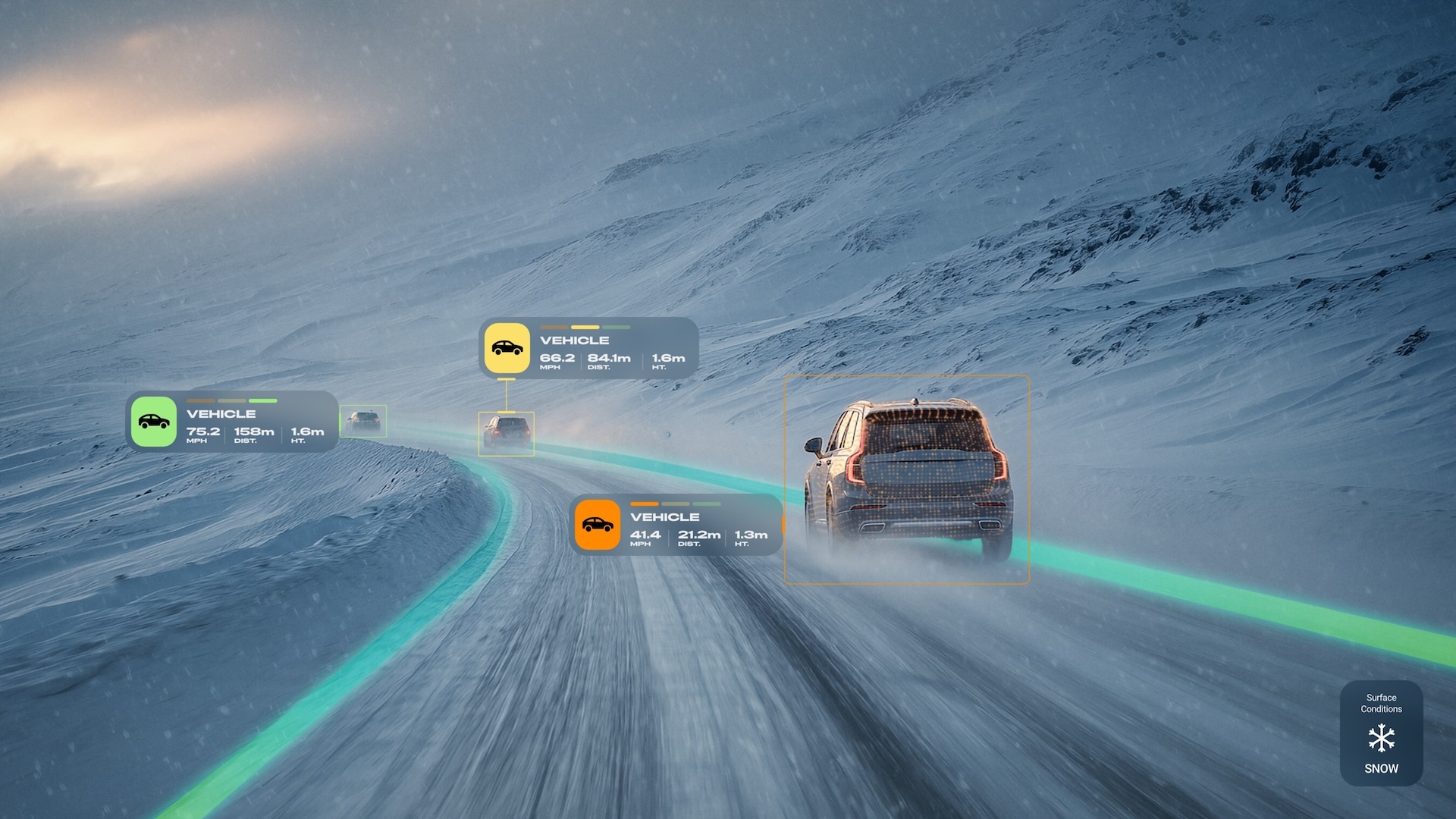
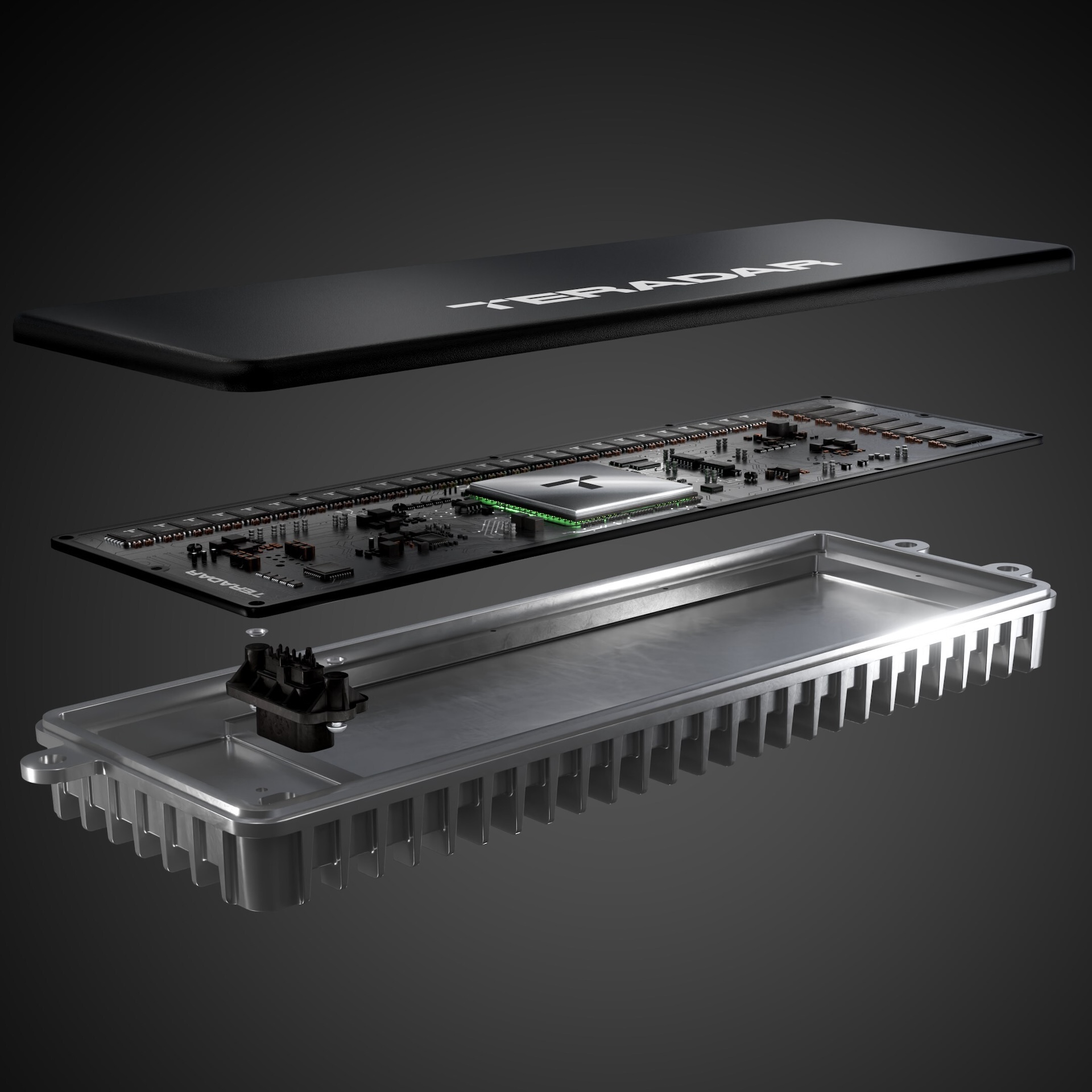
Teradar’s Modular Terahertz Engine (MTE) represents an all-solid-state chip architecture designed for integration across ADAS and autonomous driving systems from Level 1 through Level 5. The MTE architecture comprises proprietary transmission, reception, and processing chips that operate within the terahertz band of the electromagnetic spectrum—a frequency range previously unexploited for commercial automotive sensing.
The technology addresses documented limitations in current sensor modalities:
- Resolution advantage: 20x improvement over conventional automotive radar
- Weather independence: Maintains performance across adverse conditions that degrade camera and lidar effectiveness
- Range capability: Long-range detection suitable for highway-speed autonomous operations
- Customization: Modular design enables specification tuning for specific ADAS or autonomy requirements
Industry Context and Market Positioning
The announcement arrives as automotive manufacturers face intensifying scrutiny of camera-only sensor approaches while confronting performance constraints in radar and lidar technologies for higher autonomy levels. Teradar positions its terahertz solution as a complementary or replacement technology capable of addressing perception gaps in existing sensor suites.
“Terahertz sensors represent a transformative leap for automotive perception,” stated Tom Lee, Professor of Electrical Engineering at Stanford University. “Their ability to deliver exceptional resolution in all weather conditions and at long range enables intelligent vehicles to detect hazards with unprecedented accuracy.”
The company projects that improved perception and collision avoidance enabled by terahertz sensing could prevent more than 150,000 fatal accidents annually worldwide—though this estimate depends on widespread adoption and integration into production vehicles.
Funding and Commercial Development
VXI Capital led Teradar’s $150 million Series B round, with participation from:
- IBEX Investors
- Capricorn Investment Group
- The Engine Ventures (MIT)
- Lockheed Martin Ventures
The capital will support commercialization efforts and the company’s stated goal of securing a vehicle production program by 2028. Teradar reports current collaborations with five leading automotive OEMs in the United States and Europe, plus three Tier 1 suppliers, though specific partners remain undisclosed.
Company Background and Leadership
Founded by a team with roots at MIT and Stanford, Teradar brings more than 20 years of combined expertise across automotive engineering, advanced chip design, electromagnetics, photonics, and systems engineering. The company maintained stealth operations until this announcement.
“Teradar has made terahertz vision a reality by bringing unprecedented resolution and awareness at long range in any weather,” said Matt Carey, Co-founder and CEO. “Our goal is to eliminate automotive accidents altogether through dramatically better perception, and this vision can only be achieved with robust, high-performance sensors that can be easily integrated and scaled to support every type of vehicle.”
Beyond automotive applications, Teradar identifies defense, healthcare, and manufacturing as target sectors for its terahertz vision technology. The company will demonstrate its sensor technology at CES, with additional information available at www.teradar.com.
Subscribe to The BRAKE Report. Get free sample chapters.