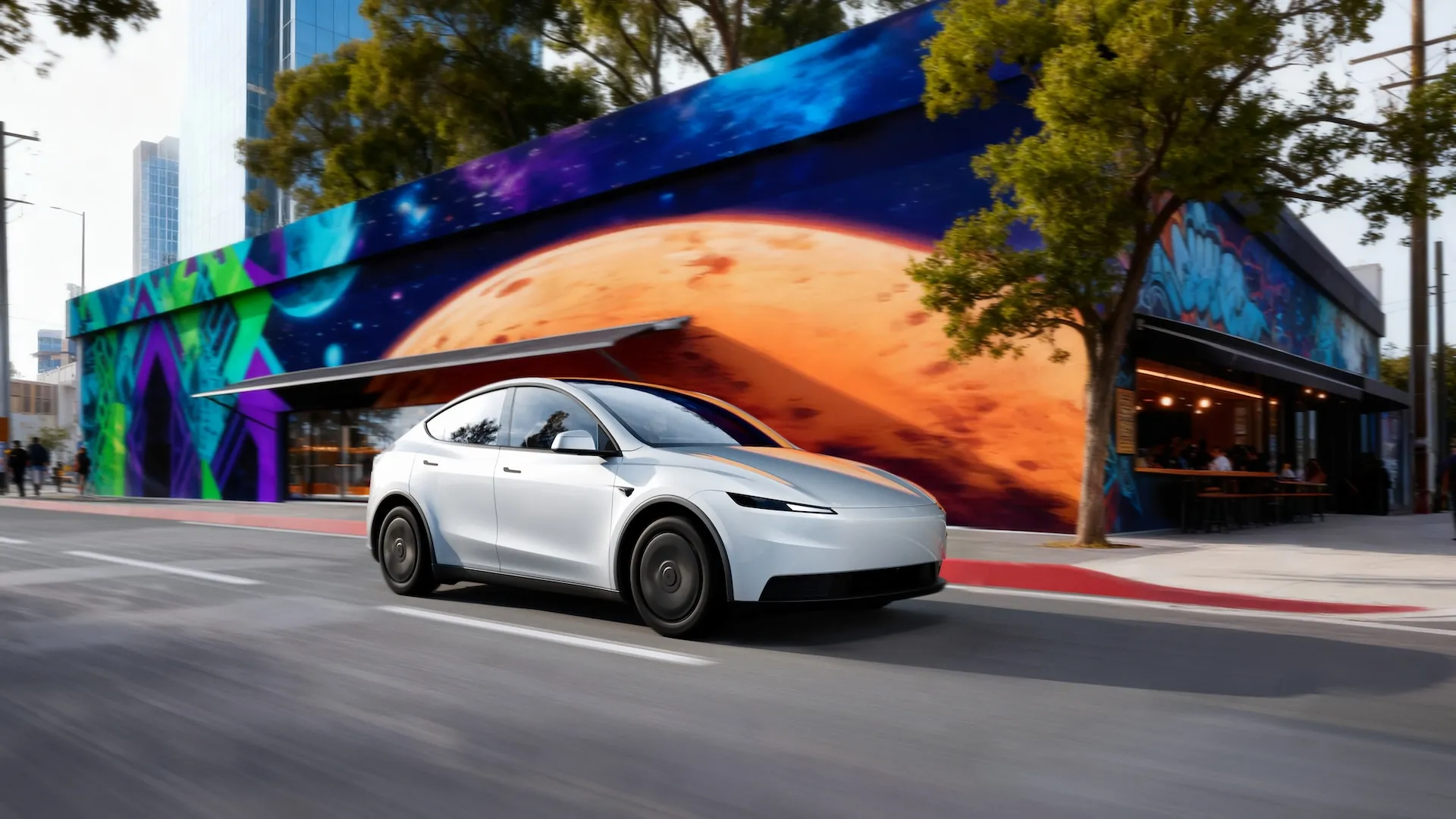

The National Highway Traffic Safety Administration has closed Preliminary Evaluation PE22002, the four-year investigation into unexpected deceleration in Model Year 2021-2022 Tesla Model 3 and Model Y vehicles that The BRAKE Report has followed since it opened in 2022. NHTSA cited a sharp decline in reports — from 45 incidents in 2024 to three since the start of 2026 — and found no pattern of lane departure or collision risk tied to the events. For brake and ADAS suppliers, the closure is also a useful data point on where regulators are drawing the line between software-triggered stopping events and true brake-system defects.
Highlights
- Complaint volume that triggered the investigation climbed from 99 reports by the end of 2021 to 314 by the time NHTSA opened PE22002 in February 2022.
- Typical complaints described a 10-20 mph speed reduction over 1-3 seconds at highway speeds, with no collisions identified.
- NHTSA explicitly separated the alleged defect from Automatic Emergency Braking, which it said operated independently and as designed throughout.
- Tesla’s February and March 2022 firmware updates, plus the company’s mid-2021 shift from radar-vision fusion to vision-only sensing, coincided with the incident decline.
Why This Reads as a Stopping Issue, Not a Brake Defect
The events NHTSA investigated involved the vehicle’s brakes physically engaging — hence “unexpected brake activation” in the agency’s own filing title — but the root cause under review was never mechanical. The complaints centered on Autopilot, Full Self-Driving, and Traffic-Aware Cruise Control misreading the road ahead and commanding a stop that wasn’t needed. NHTSA drew a clear line between this behavior and Automatic Emergency Braking, noting AEB monitors continuously regardless of which driver-assist system is engaged and its interventions carry audible and visual warnings — a distinction the phantom braking complaints didn’t share.
How the Investigation Evolved
NHTSA opened PE22002 on February 16, 2022, after a Vehicle Owners Questionnaire trend beginning in November 2021 showed complaint volume climbing quickly. The agency followed up with Information Request letters to Tesla on May 4, 2022, and again on July 11, 2024, seeking production data, field-incident records, and Tesla’s internal assessments — the second of those requests was the subject of earlier BRAKE Report coverage, which detailed NHTSA’s questions about false collision alerts and unnecessary braking activations.
Complainants typically reported sudden deceleration on higher-speed roadways in sunny conditions with shadows crossing the road, with no vehicles or obstacles ahead to explain the braking. Most drivers responded by pressing the accelerator to override the system; no subject vehicle came to a complete stop or departed its lane as a result.
What NHTSA’s Data Showed
NHTSA’s review found that Tesla’s complaint and field data aligned with the company’s mid-2021 transition from a radar-vision fusion system to vision-only sensing. Reported incidents fell from 45 in 2024 to 19 in 2025 to three since the start of 2026, a trend the agency weighed alongside vehicle behavior: reported conditions didn’t alter lateral lane positioning or meaningfully reduce following distance in a way that risked a collision.
Why It Matters for Brake and ADAS Suppliers
Phantom braking has generated sustained legal exposure for Tesla well beyond this one investigation — a 2025 Australian class action alleged the same defect across roughly 10,000 vehicles, tying it to the same camera-only sensing transition NHTSA referenced here. This closure doesn’t resolve that broader liability question, and NHTSA’s standard disclaimer applies: closing a preliminary evaluation isn’t a finding that no defect exists, and the agency can reopen the matter if warranted. For suppliers, the throughline is that as ADAS increasingly initiates braking events independent of the driver, the regulatory and product-liability scrutiny on “stopping performance” is shifting toward sensor fusion and perception software as much as friction hardware.