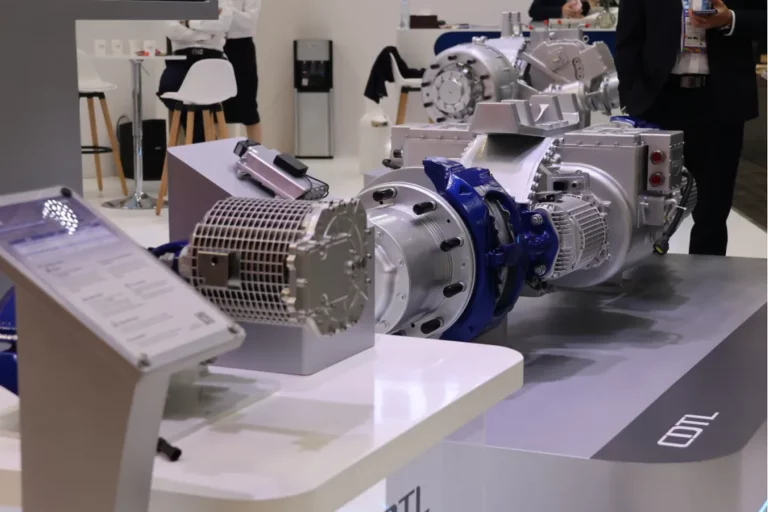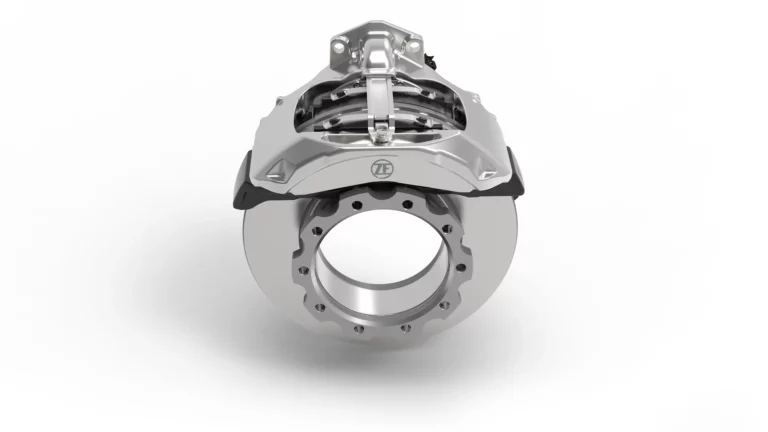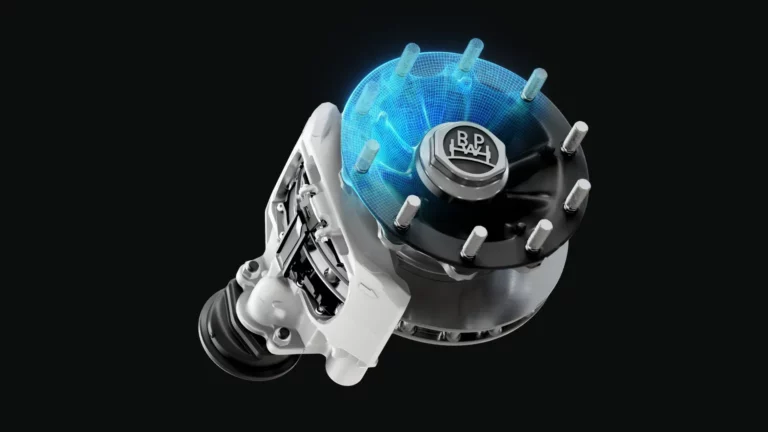
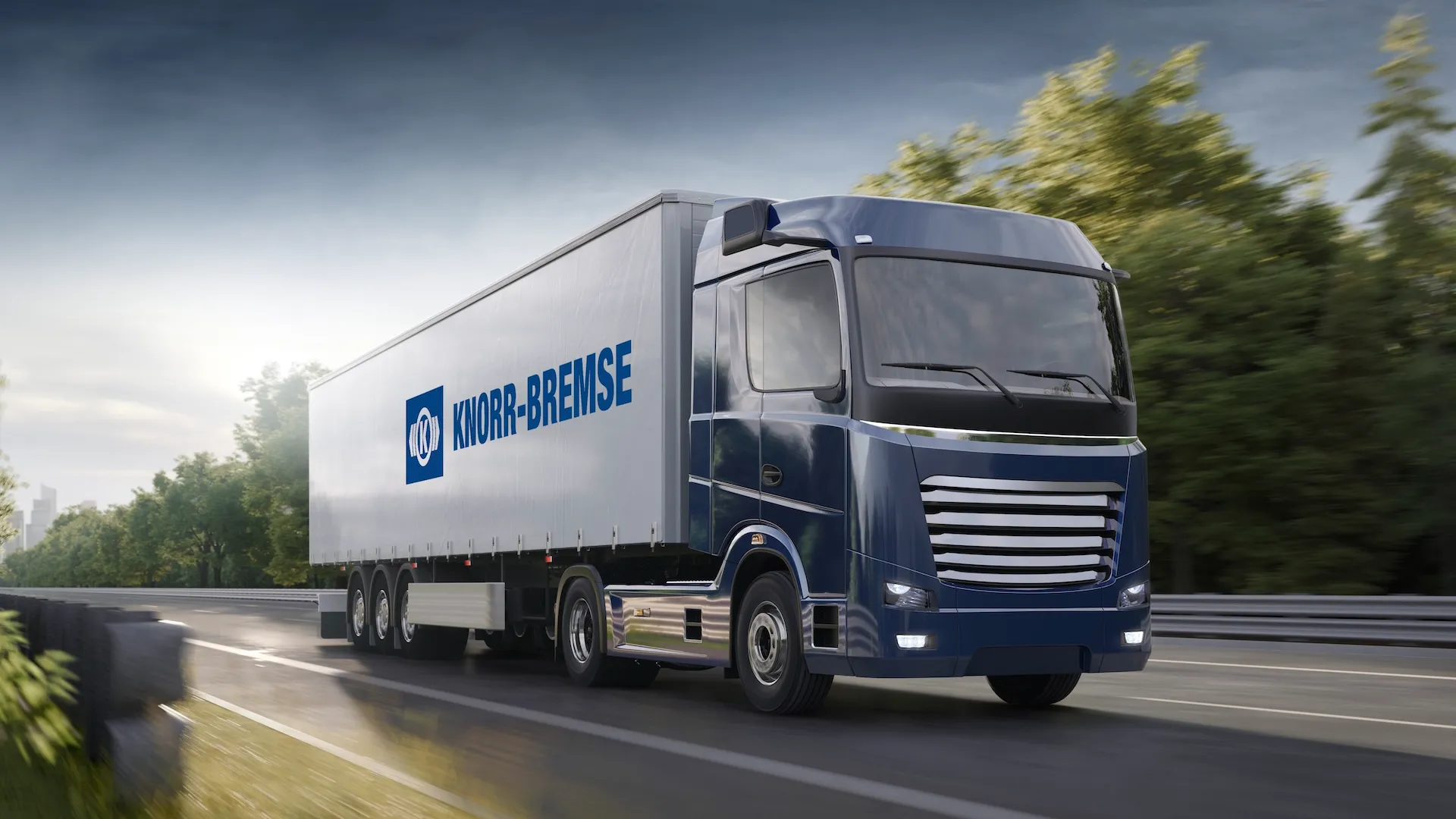

Knorr-Bremse plans to bring its rGSBC redundant braking system into series production in 2027, building a fully independent second control path designed to keep Level 4 autonomous trucks stopping safely if the primary system fails. The Munich-based supplier says the redundant path delivers full ABS functionality and wheel-by-wheel brake pressure control, maintaining vehicle stability even when the primary system is down. Knorr-Bremse is pairing the braking system with a parallel lineup of redundant steering technologies, positioning both as the technological foundation for scalable, economically viable Level 4 truck architectures. The rollout follows an order Knorr-Bremse secured from a major Japanese commercial-vehicle manufacturer last year for the same rGSBC and rAHPS technology.
Highlights
- The rGSBC redundant braking system is scheduled for series production in 2027, adding a second independent control path with full ABS functionality if the primary system fails.
- Knorr-Bremse’s steering redundancy portfolio includes the redundant Electric Power Steering (rEPS), a Steer-by-Brake function, and the redundant electrohydraulic superimposed steering (rAHPS).
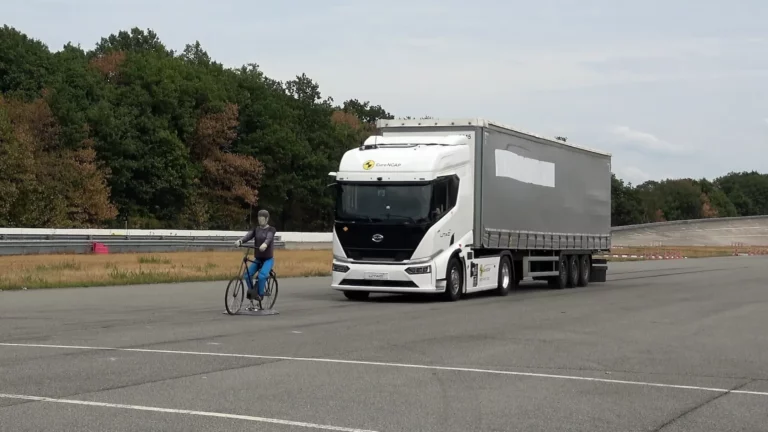
- The company’s Fusion Front ADAS — combining Advanced Emergency Braking (AEBS), pedestrian detection (PAEBS), Lane Keeping Assist, and Lane Departure Warning — contributed to a vehicle manufacturer’s 3-star Euro NCAP commercial-vehicle rating.
- Knorr-Bremse will show the technology at IAA Transportation 2026 in Hanover, Hall 12, Booth C21, September 15–20.
A Second Path for Braking and Steering
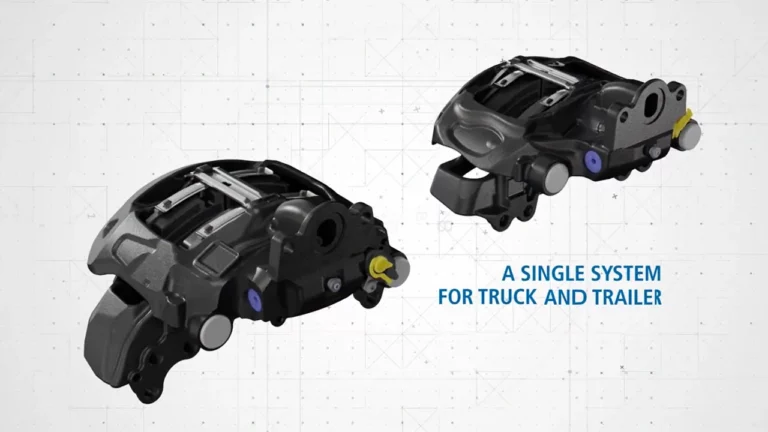
The rGSBC builds on Knorr-Bremse’s Global Scalable Brake Control (GSBC) platform, which consolidates what had been a wider range of separate brake-control components into a single unified platform, simplifying layouts and cutting installation space, weight, and cost. The rGSBC expands that architecture with a second, independent functional path that takes over full ABS-equipped deceleration and wheel-by-wheel stability control if the primary system fails.
On the steering side, Knorr-Bremse’s fully electric Electric Power Steering (EPS) gets a redundant counterpart, rEPS, in which both the actuators and the control system carry built-in redundancy. Combined with a Steer-by-Brake function, the company says this adds an additional independent redundancy layer for controlled vehicle guidance even during critical failures. A separate architecture, the redundant electrohydraulic superimposed steering (rAHPS), rounds out the steering portfolio as an alternative approach supporting driver-assistance and automated-driving functions.
Fail-Active by Design
With automation, responsibility for driving dynamics and safety shifts from the driver to the vehicle — and to the technology itself, according to Knorr-Bremse. The redundant systems are built to detect and compensate for individual failures while keeping vehicle control intact at all times. Standardized interfaces let the system run automatically as a “virtual driver” or switch to manual control, and it supports fallback strategies ranging from minimum-risk maneuvers to continued “mission-complete” operation with reduced functionality — a flexibility the company says can directly improve total cost of ownership.
Bernd Spies, Member of the Executive Board of Knorr-Bremse AG and responsible for the Commercial Vehicle Systems Division, said: “Highly automated driving in the commercial vehicle sector is gaining momentum worldwide—albeit at different paces in different regions. Robust, fail-active vehicle architectures are crucial for the next step. This is precisely where we bring our systems expertise to bear in our partnerships with vehicle manufacturers: We develop redundancy solutions for braking and steering functions and implement them in specific applications together with vehicle manufacturers. The impending series production readiness of our redundant braking system is an important milestone in making Level 4 architectures scalable and economically viable.”
Toward Series Production
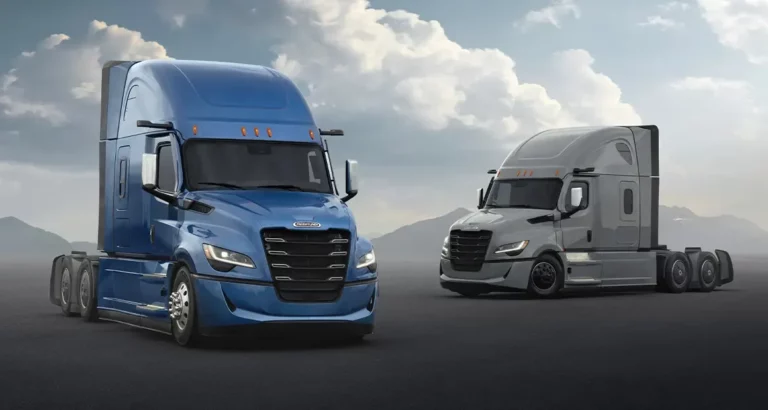
Knorr-Bremse says it has already validated key elements of the redundant architecture through its participation in the ATLAS-L4 autonomous-driving research project, and is now running specific Level 4 pilot programs with select customers to gain system and integration experience ahead of the 2027 launch. Initial use cases may center on hub-to-hub transport, with North America emerging as the leading early market amid driver shortages and rising cost pressures on fleet operators. The company frames the work as part of a broader shift toward X-by-wire vehicle concepts and software-defined vehicle architectures — points it plans to expand on at IAA Transportation 2026.
ADAS Portfolio Extends Beyond L4
Alongside the L4 redundancy push, Knorr-Bremse continues developing its Advanced Driver Assistance Systems (ADAS) lineup. The Fusion Front ADAS combines radar and camera sensors for the Advanced Emergency Braking System (AEBS) and its pedestrian-detection extension (PAEBS), along with Lane Keeping Assist (LKA) and Lane Departure Warning (LDW). Those functions help vehicle manufacturers meet regulatory requirements such as the European General Safety Regulation II (GSR II). A separate Proximity System covers close-range detection through the Blind Spot Information System (BSIS) and Moving Off Information System (MOIS).
Commercial-vehicle Euro NCAP protocols, which set higher performance bars than current legislation, are also shaping the roadmap — Knorr-Bremse ADAS contributed to one vehicle manufacturer’s 3-star NCAP rating, and the company says further features are in development to meet additional requirements.
Subscribe to The BRAKE Report. Get free sample chapters.