

Sign up for our weekly email to stay on top of the latest news and insights!
The Commercial Vehicle Safety Alliance (CVSA) hosts Brake Safety Week from August 24-30, 2025, a critical event for the North American commercial vehicle industry. This annual inspection program, part of CVSA’s Operation Airbrake initiative, aims to enhance road safety by reducing crashes caused by faulty brake systems. Bendix Commercial Vehicle Systems LLC, a leader in vehicle safety technologies, shares expert advice to help fleets and drivers prepare for inspections and maintain safe braking systems. With nearly 13% of vehicles inspected last year placed out of service for brake issues, proper maintenance is essential.
Key Highlights
- Brake Safety Week occurs August 24-30, 2025, across the U.S., Canada, and Mexico.
- Inspectors focus on brake system components, with special attention to drums and rotors in 2025.
- Daily, weekly, and monthly maintenance checks can prevent violations.
- Air disc brakes have different maintenance needs compared to drum brakes.
- Selecting OEM-compliant brake friction ensures safety and performance.
- Bendix training resources support technicians in maintaining advanced safety systems.

What to Expect During Inspections
CVSA-certified inspectors will perform thorough checks on commercial motor vehicles, focusing on brake systems. Key areas include air leaks, brake chamber pushrod travel, slack adjuster alignment, and warning device functionality like the antilock braking system (ABS) malfunction indicator light. Inspectors will also scrutinize drums and rotors for wear, cracks, or damage, as these are focal points for 2025. Issues like mismatched brake chamber sizes, broken springs, or improperly adjusted brakes can lead to out-of-service violations.
Preparation Tips for Brake Safety Week
Brian Screeton, Bendix’s manager of technical training and service, emphasizes proactive maintenance to avoid violations. Daily checks should include inspecting for damaged air brake chambers, loose pushrods, or misaligned slack adjusters. Ensure tubing and hoses are secure and undamaged. Weekly tasks involve performing a 90-100 psi brake application to detect leaks and inspecting air disc brake rotors and drum brake linings for wear. Monthly, check for moisture in the air system to prevent contamination and grease drum brake S-cam tubes to avoid rust.
Air Disc vs. Drum Brakes
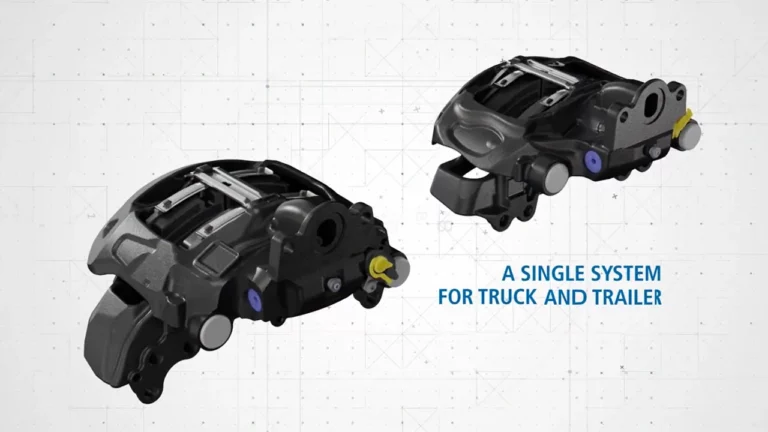
Air disc brakes (ADBs) and drum brakes require different maintenance approaches. Unlike drum brakes, ADBs have an internal adjustment mechanism, reducing the risk of out-of-adjustment violations. For drum brakes, technicians measure brake stroke by comparing the distance from the air brake chamber to the clevis pin with brakes released and applied. Improperly adjusted brakes can cause drag, reducing fuel efficiency and accelerating pad wear. Bendix provides an infographic detailing these differences to guide technicians.
Choosing the Right Brake Components
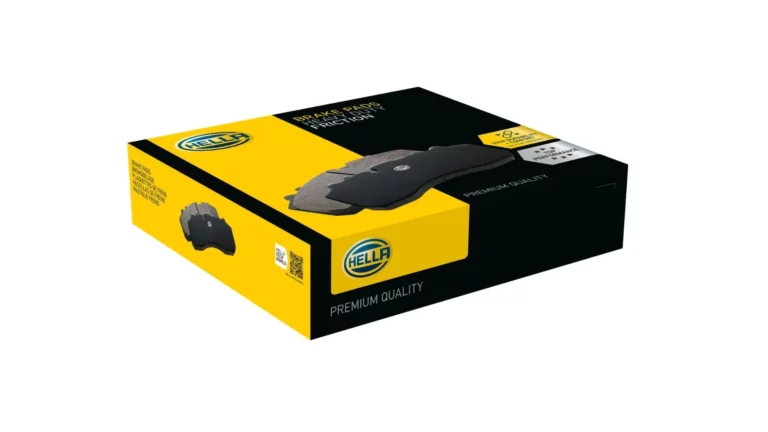
Selecting OEM-compliant brake friction is critical for safety and compliance. Not all aftermarket friction meets reduced stopping distance (RSD) standards, potentially leading to cracks, degraded performance, or wheel-end damage. Advanced technologies like Bendix® EnduraSure®-Pro™ sealed spring brake chambers prevent corrosion, while Bendix® iSense™ Pro alerts fleets to worn ADB pads and rotors via telematics. Pairing brake pads and rotors designed to work together, like the Bendix® ADB22X®, minimizes issues like stress cracks or uneven wear. Using an oil-coalescing air dryer cartridge, such as the Bendix® PuraGuard®, protects against corrosive oil aerosols.
Training and Technical Support
Effective communication between drivers and technicians is vital for identifying and resolving brake issues. Drivers should report issues promptly, providing details like weather conditions or location. Bendix supports fleets with resources like the Bendix Brake School, offering hands-on and virtual training, and the Bendix On-Line Brake School, with over 200,000 registered users accessing 100+ maintenance courses. The B2Bendix.com hub provides service manuals and installation guides, while the Bendix Tech Team (1-800-AIR-BRAKE) offers expert troubleshooting.
Why Maintenance Matters
Brake system health impacts stopping power and supports advanced technologies like collision mitigation. Small issues, like a kinked air hose or active stability light, may indicate broader maintenance problems. By prioritizing regular inspections and using high-quality components, fleets can ensure compliance, enhance safety, and avoid costly violations during Brake Safety Week.