A year-long trial of a Low Adhesion Monitoring System (LAMS) on the Chiltern Main Line is generating adhesion data at a level of precision never before achieved in live rail service. Knorr-Bremse Rail Systems UK and Chiltern Railways presented interim findings at the ADHERE Seminar in Birmingham this week, marking a meaningful step forward in proactive braking safety management.
Highlights
- The system has recorded more than 500 wheel slide events and 850 traction slip events across 88,000+ miles of operation since September 2025.
- For the first time, the industry can calculate actual measured adhesion values at the moment Wheel Slip Protection (WSP) is active — moving beyond reactive inference.
- Data is captured year-round, not just during autumn, enabling a more complete picture of low-adhesion conditions across all seasons.
- Partners hope to expand the trial to additional operators later in 2025, with potential fleet rollout in 2026/27.
Trial Overview
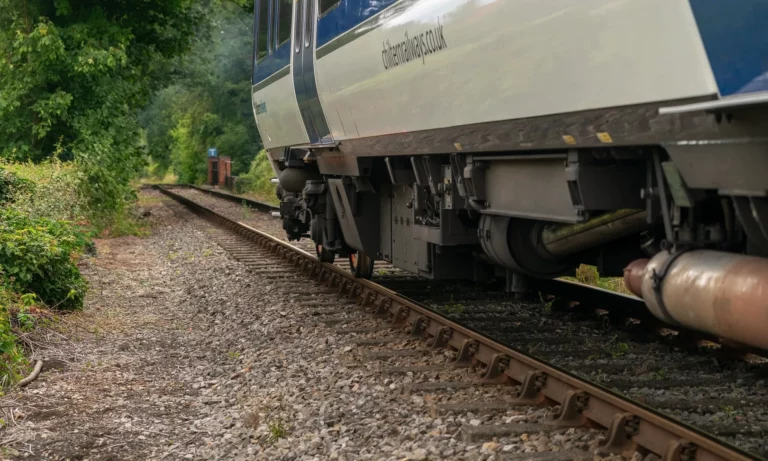
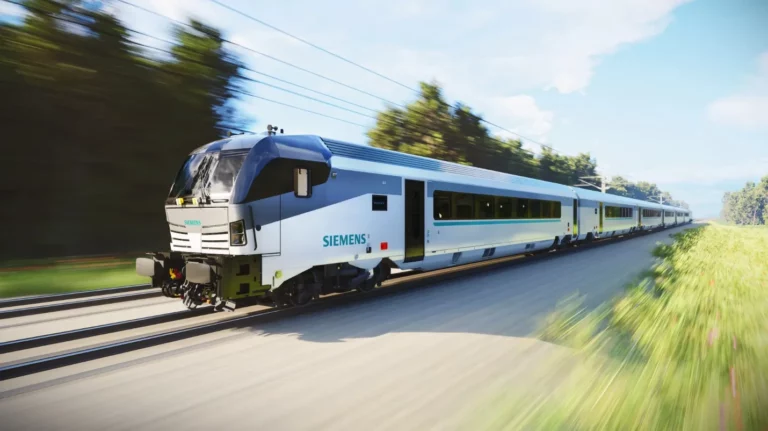
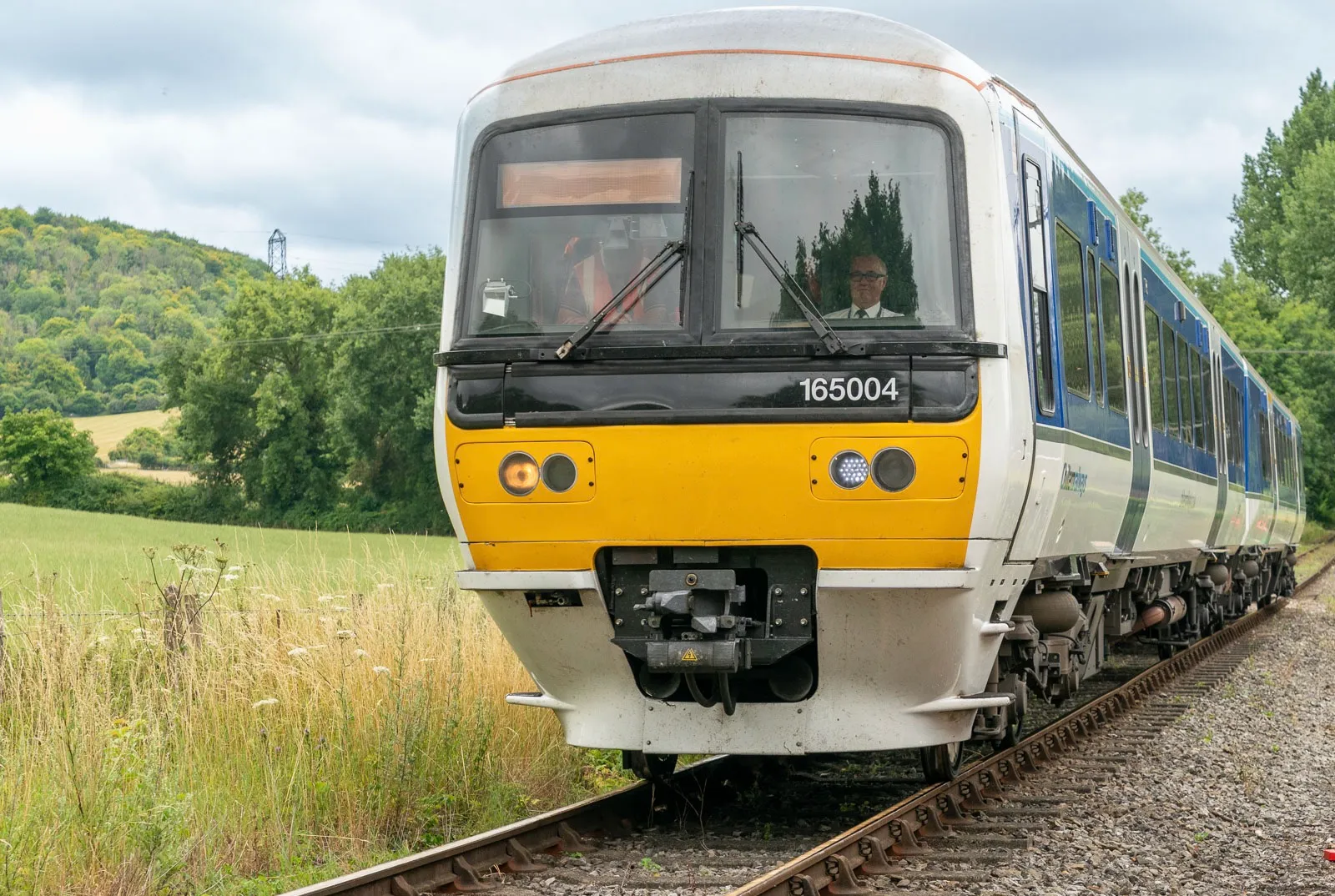
The Low Adhesion Monitoring System was developed by Knorr-Bremse and jointly engineered with Chiltern Railways, with support from Angel Trains. It was installed on Class 165 unit 165004 — the first-in-class (FiC) train equipped with the technology — operating on the Chiltern Main Line and the London to Aylesbury route.
Since entering service in September 2025, the unit has run continuously without impacting existing onboard systems. Data collection covers real-time adhesion, braking performance, and wheel slide activity across single, double, and multiple unit formations.
What the Data Reveals
Attendees at the ADHERE Seminar received a detailed analysis covering several key dimensions:
- Low-adhesion hot spots — number and geographic distribution across both routes
- WSP activity — frequency and location of Wheel Slip Protection interventions
- Braking correlations — relationships between brake demand, speed, and adhesion levels
- Infrastructure factors — insights into how track conditions affect braking expectations
The majority of journeys have been completed in double formation. However, proportionately more wheel slide events occurred during single-unit operation, offering useful comparative data across different train configurations.
Industry-First Adhesion Measurement
Previously, WSP activation confirmed only that the rail was slippery. The new system goes further — it calculates how slippery the railhead actually is at the precise moment WSP engages.
John May, Digital Services Business Development Manager at Knorr-Bremse Rail Systems UK, described the significance: the trial moves the industry “beyond assumption and inference to calculate real, in-service adhesion values at the point where Wheel Slip Protection is active.” He added that hot spots can now be identified, enabling drivers to be alerted and railhead cleaning to be planned more effectively.
This capability is directly supporting the RSSB’s Adhesion Research Group (ARG). Working alongside the University of Huddersfield, Knorr-Bremse is using the data to refine real-time adhesion calculations with a degree of precision not previously possible in operational service.
Long-Term Potential
Louis Schmandt, Technical Engineer at Chiltern Railways and the project’s lead, outlined the broader ambition: developing a first-in-class “adhesion expert train” capable of predicting low-adhesion risk at any location, at any time of year, to a high degree of accuracy.
Crucially, adhesion is now being monitored outside the limiting thresholds of WSP activity. That continuous monitoring opens several possibilities:
- More targeted mitigation — directing railhead treatment and cleaning where data indicates it is most needed
- Improved driver guidance — better informing driver behavior during autumn operations
- Proactive WSP integration — feeding adhesion data into WSP systems so they can anticipate activations, rather than reacting to axle speed deviations
- Autumn timetable reduction — potentially eliminating the need for leaf-fall timetable adjustments
The long-term goal, Schmandt noted, is a “seasonally agnostic railway” where autumn conditions no longer compromise network performance or safety.
Next Steps
If the trial continues to demonstrate value, the partners plan to expand participation to additional operators later in 2025. A broader fleet rollout could begin in 2026/27.
Subscribe to The BRAKE Report. Get free sample chapters.