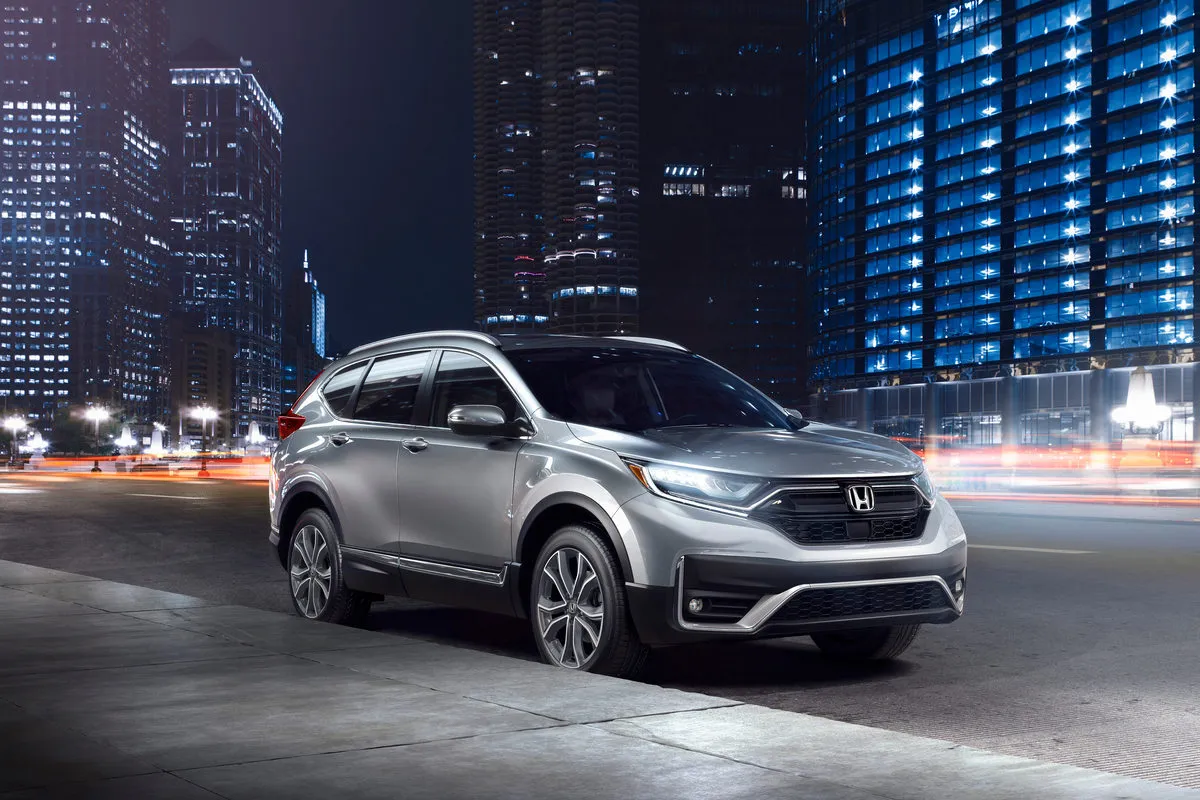

A class action lawsuit alleging defective collision mitigation braking in Honda CR-V and Accord models is heading to trial after eight years of litigation, as reported by Autoblog. The case targets Honda’s Collision Mitigation Braking System (CMBS), which plaintiffs say detects hazards that do not exist and triggers hard, unexpected braking.
Highlights
- A class action lawsuit over Honda’s CMBS phantom braking issue is proceeding to trial after being filed in 2018.
- The case covers 2017–2019 Honda CR-V and 2018–2020 Honda Accord vehicles purchased new in eight states.
- NHTSA has received 1,294 complaints related to unintended CMBS activation, with nearly 60 linked injuries.
- Honda denies the system is defective. Current-generation CR-V and Accord models are not implicated.
What the Lawsuit Alleges
The case, Cadena v. American Honda Motor Co., Inc., was originally filed in 2018 on behalf of 2017 CR-V owners. It has since been consolidated and expanded. Plaintiffs allege the CMBS misrecognizes objects and applies hard braking when there is no collision risk.
The system uses a windshield-mounted camera and radar transceiver to detect obstacles ahead. It operates in three stages — visual and audible alerts, light braking, and heavy braking — depending on perceived collision risk. However, owners report the system bypasses early warnings and applies emergency-level braking without cause.
Some owners have described their vehicles braking hard at highway speeds on clear roads. Others say the system activated while passing under bridges or over painted road markings. Several owners have reported near-miss rear-end collisions as a result.
Class Certification and Scope
The court certified the lawsuit as a class action in June 2024. The certified class includes consumers who purchased new 2017–2019 Honda CR-V or 2018–2020 Honda Accord vehicles from authorized Honda dealerships in eight states: California, Florida, New York, Ohio, North Carolina, New Jersey, Arizona, and Iowa.
Only original purchasers are included. Fleet vehicles are excluded from the class definition. No settlement has been reached, and no monetary benefits have been awarded.
NHTSA Investigation
Federal regulators have been investigating the issue separately. NHTSA’s Office of Defect Investigation launched a probe after receiving hundreds of reports of unintended CMBS activation. The agency has documented 1,294 consumer complaints across 2017–2022 CR-V and 2017–2022 Accord model years.
Nearly 60 injury reports have been linked to accidents allegedly caused by the system’s unexpected braking. At least six collisions with minor injuries were noted early in the investigation. The NHTSA probe remains ongoing.
Honda’s Position
Honda denies wrongdoing and maintains that the CMBS is not defective. The company has suggested some drivers may not fully understand the system’s capabilities and limitations. However, multiple owners have reported that dealerships could not replicate the issue or said the behavior fell within normal CMBS operation.
Broader Industry Implications
The case highlights a growing tension in vehicle safety technology. Automatic emergency braking systems are now standard equipment across most new vehicles. However, phantom braking complaints have surfaced across multiple manufacturers. Similar class action lawsuits have been filed against Volkswagen and Nissan over comparable AEB issues in recent years.
The CR-V and Accord are two of Honda’s highest-volume models in the U.S. The outcome of this trial could set a precedent for how courts evaluate AEB system defects and manufacturer liability.