

CVSA’s 2026 International Roadcheck began today, with enforcement personnel across North America conducting a 72-hour commercial vehicle inspection blitz running through May 14. The Commercial Vehicle Safety Alliance announced electronic logging device (ELD) tampering as the driver focus area and cargo securement as the vehicle focus area for this year’s event. Inspectors at weigh stations, fixed inspection sites, and pop-up checkpoints across the United States, Canada, and Mexico will primarily conduct North American Standard Level I Inspections, a 37-step procedure that covers driver credentials and full vehicle mechanical fitness.
Highlights
- Dates: May 12–14, 2026, across the U.S., Canada, and Mexico, with results expected later in 2026.
- Driver focus: ELD tampering, falsification, or manipulation. Falsification of records of duty status was the second most-cited driver violation in 2025, at 58,382 violations per FMCSA roadside inspection data.
- Vehicle focus: Cargo securement. CVSA cited 18,108 violations in 2025 for cargo not secured against leaking, spilling, blowing, or falling, plus 16,054 violations for unsecured vehicle components or dunnage.
- Brake context: Brake systems were the top vehicle out-of-service violation in 2025 at 24.4%; combined with 20% defective brakes, brake-related issues accounted for 41.1% of all vehicle out-of-service violations.
ELD Tampering as the Driver Focus
CVSA said inspectors will review each driver’s record of duty status for false or manipulated entries, with specific attention to signs of ELD tampering. The alliance acknowledged that some inaccurate ELD entries stem from drivers misunderstanding federal regulations and exemptions. Others, however, are introduced deliberately to conceal hours-of-service violations or to mask driving time without the audit trail federal regulations require.
The penalty exposure is substantial. Drivers found to have manipulated logs face potential fines, criminal charges, and immediate out-of-service orders.
Cargo Securement as the Vehicle Focus
The vehicle focus targets a category that consistently generates roadway hazards. Inspectors will check that cargo is contained, immobilized, and secured so it cannot leak, spill, blow off, fall, or otherwise create a hazard. FMCSA rules require that the aggregate working load limit of tiedowns be at least half the weight of the cargo being secured.
The category sits squarely on the top-five vehicle out-of-service list. In CVSA’s 2025 Roadcheck results, cargo securement accounted for roughly 11% of all vehicle out-of-service violations.
Brake Violations Remain the Persistent OOS Story
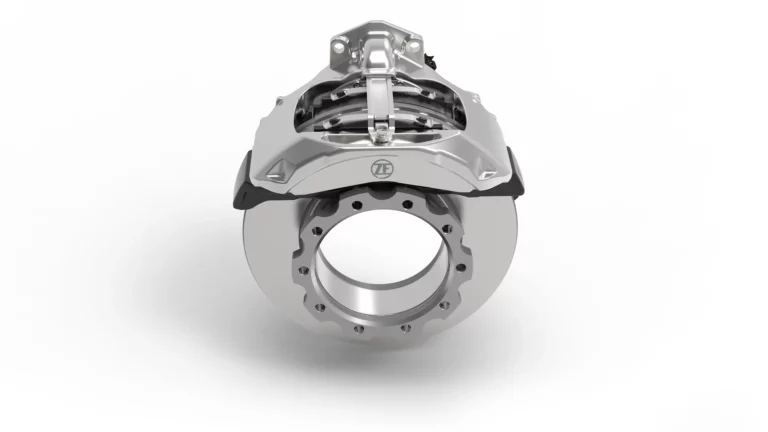
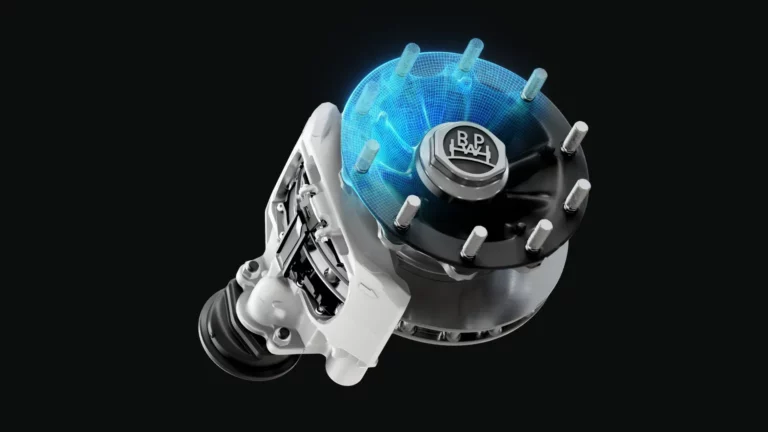
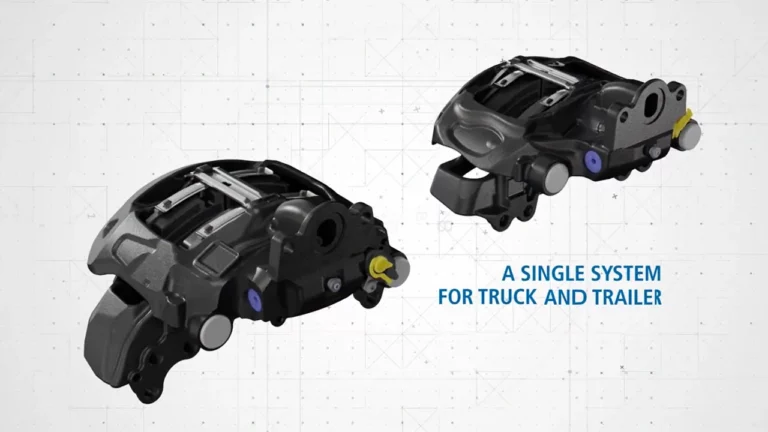
Although brakes are not a named 2026 focus area, brake-system condition continues to drive a disproportionate share of out-of-service outcomes. CVSA’s 2025 Roadcheck results identified 3,304 out-of-service brake system violations — 24.4% of all vehicle OOS findings — and an additional 2,257 violations for 20% defective brakes, which applies when at least one-fifth of a vehicle’s brakes have an out-of-service condition. Combined, the two categories produced 5,561 brake-related out-of-service violations.
That 41.1% combined share is down from roughly 43% the prior year but has held above 40% in every recent Roadcheck cycle. The pattern has held regardless of the year’s named focus area, including 2023 (ABS), 2024 (no brake-specific focus), and 2025 (tires). Fleets relying on pre- and post-trip walk-arounds to catch slack adjuster issues, air leaks, and pushrod travel problems remain the strongest variable in whether their vehicles avoid an OOS sticker.
What to Know
When are the 2026 International Roadcheck inspection dates?
The 2026 International Roadcheck runs May 12 through May 14 across Canada, Mexico, and the United States. The 72-hour event is conducted by CVSA-certified inspectors at weigh stations, fixed inspection sites, and temporary pop-up checkpoints. Aggregate inspection data is collected during the event and published later in the year.
What is the difference between the Level I and Level V inspections during Roadcheck?
The Level I North American Standard Inspection is a 37-step procedure covering both the driver and the vehicle. Level V is a vehicle-only inspection without the driver portion. Vehicles passing either inspection without critical out-of-service violations are eligible for a CVSA decal, valid up to three months, that generally exempts the vehicle from reinspection during that window.
What happens when a vehicle is placed out of service?
A vehicle placed out of service cannot be operated until the cited violation is corrected. Out-of-service criteria are defined in CVSA’s North American Standard Out-of-Service Criteria, which is updated annually each April 1. The 2025 overall vehicle out-of-service rate was 18.1%, meaning roughly one in five vehicles inspected was sidelined.
Why does CVSA highlight specific focus areas each year?
CVSA selects one driver and one vehicle category each year to direct industry attention toward persistent compliance problems. The focus areas do not narrow the scope of inspections — full Level I checks continue — but they signal where inspectors are likely to spend additional time and where carriers should concentrate preparation.